

Market Summary and Growth Forecast
The global Almond Milk Market is valued at $7,400 million in 2026 and is expected to appreciate to $16,200 million by 2035, at a CAGR of 9.1%.
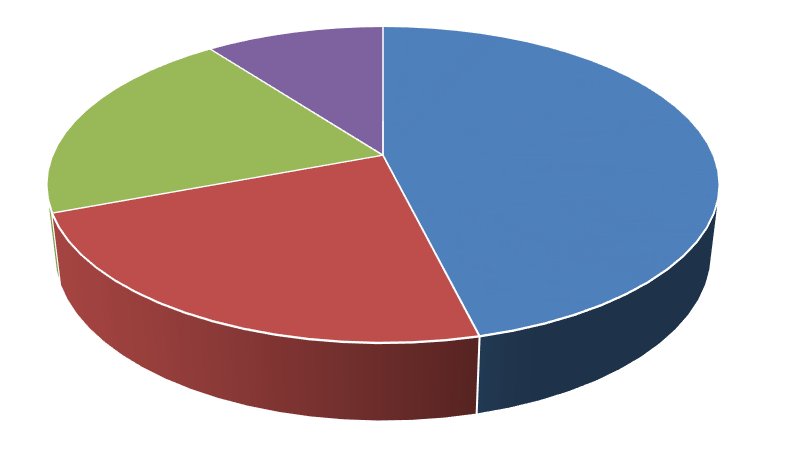
This estimate covers packaged almond-based beverages sold through retail, e-commerce, foodservice and institutional channels. It excludes almond-based creamers, yogurt, ice cream, infant nutrition and almond ingredients supplied to other food manufacturers. This separation prevents revenue from being counted twice.
Global Market Outlook
Market indicator | Estimate |
Global market size, 2026 | $7,400 million |
Projected market size, 2035 | $16,200 million |
Forecast CAGR, 2026–2035 | 9.1% |
Estimated value addition, 2026–2035 | $8,800 million |
Largest commercial channel in 2026 | Retail grocery |
Fastest-expanding channel | Foodservice and institutional supply |
Largest regional market | North America |
Fastest-growing region | Asia Pacific |
The business relevance of the Almond Milk Market extends beyond vegan consumption. Most purchasers are flexitarian households that continue to consume dairy but use almond-based beverages for specific occasions. Common applications include breakfast cereals, smoothies, coffee, baking and low-calorie beverage consumption.
Plant-based milk already represents 13% of total milk dollar sales in the United States. Its penetration reaches approximately 30% in the natural retail channel. In Germany, plant-based milk sales reached approximately €632 million in 2025, while volume expanded by 7.7%. These figures show that the category has moved from specialist health stores into mainstream grocery distribution.
Almond milk retains a strong commercial position because it has a familiar taste, low calorie content and broad household acceptance. It is also established across supermarkets, cafés and online grocery platforms. That said, the product now competes with oat, soy, coconut, pea and blended plant beverages. Future growth will therefore depend less on basic dairy-free positioning and more on nutrition, taste, texture and price.
Why the Market Matters During 2026–2035
The market sits at the intersection of agriculture, beverage processing, nutrition and retail brand development. It creates demand for almonds, natural flavours, vitamins, minerals, stabilizers, aseptic packaging, cold-chain logistics and contract beverage manufacturing.
Revenue expansion during 2026–2035 will come from four commercial shifts:
- More households using several milk types rather than replacing dairy completely.
- Higher almond milk availability in cafés, universities, hotels and workplace dining.
- Growth of fortified, high-protein and low-sugar formulations.
- Wider distribution in China, India, Southeast Asia, the Middle East and Latin America.
Average selling prices will remain higher than basic dairy milk in many countries. However, private-label products and local manufacturing are narrowing the difference. Germany provides an important example. Private labels accounted for about 60% of plant-based milk volume in 2025, while the average price premium over dairy milk had declined to around 10%.
Production and Raw-Material Economics
For the Almond Milk Market, the supply side remains closely linked to California. Almond cost, crop size, water availability, freight rates and currency movements directly influence beverage manufacturing margins.
The United States Department of Agriculture forecast California’s 2026 almond crop at 2.70 billion pounds, down 1% from the previous year. Bearing acreage was estimated at approximately 1.39 million acres. This production base is sufficient to support beverage demand, but it remains exposed to rainfall variability, orchard removals, pollination costs and irrigation economics.
Almonds represent only one part of the finished beverage cost. Water treatment, fortification, flavours, packaging, contract manufacturing and retail margins can collectively exceed the cost of the almond input. So, a moderate increase in almond prices does not translate into an equal percentage increase in shelf prices.
Large beverage companies also have more flexibility than small brands. They can negotiate annual almond contracts, use multiple processing plants and spread packaging purchases across a larger volume. Smaller suppliers remain more exposed to minimum order quantities and co-manufacturing charges.
Technology and Manufacturing Forces
Production technology is moving toward finer particle-size control, stronger emulsion stability and longer shelf life. Manufacturers are improving grinding, filtration and homogenization so the beverage feels less watery and produces limited sediment.
Aseptic processing is also important. It allows almond beverages to remain shelf-stable without continuous refrigeration before opening. This reduces distribution costs and supports expansion into countries where refrigerated retail infrastructure is uneven.
Barista-grade products require a different technical profile. They must withstand heating, steam injection and coffee acidity without separating. This creates demand for controlled fat systems, mineral balancing and carefully selected stabilizers.
The next processing priority is nutritional density. Traditional almond milk often contains less protein than dairy or soy beverages. Producers are responding through higher almond concentration, added plant protein, calcium fortification and vitamin enrichment.
Regulatory and Labelling Environment
Regulation will influence product claims, nutritional comparisons and brand communication. In the United States, the Food and Drug Administration has proposed guidance covering the naming and nutritional labelling of plant-based milk alternatives. The guidance allows names such as almond milk while encouraging manufacturers to make nutritional differences from dairy milk clearer.
Tree-nut allergen disclosure is another non-negotiable requirement. Almond milk producers must maintain ingredient traceability, cleaning controls and accurate allergen statements. This is especially important for co-manufacturing plants that process several beverage bases.
Front-of-pack nutrition systems may also place greater attention on sugar, saturated fat and calorie content. This should favour unsweetened almond milk. However, flavoured products with added sugar may face more visible nutritional scrutiny. The FDA continued work on proposed front-of-package nutrition labelling during 2025.
Key Consumers and Commercial Clients
The principal consumers and buyers include:
- Households: People seeking lactose-free, dairy-free, vegan or low-calorie beverages.
- Coffee shops and café chains: Buyers of barista-grade almond milk for hot and iced drinks.
- Hotels and restaurants: Users serving breakfast, desserts, sauces and beverage menus.
- Food manufacturers: Companies using almond milk in smoothies, cereals, bakery products and ready-to-drink beverages.
- Retailers: Supermarkets, convenience stores, membership clubs and online grocery platforms.
- Institutions: Universities, hospitals, schools, corporate cafeterias and public dining facilities.
- Private-label owners: Retailers outsourcing product development and manufacturing to beverage specialists.
Analyst view: Almond milk will remain a core plant-based beverage, but its next growth cycle will depend on functional performance. Products must deliver better protein, cleaner labels and stronger coffee compatibility without losing the light taste that originally attracted consumers.
Market Segmentation and Forecast Scope
The Almond Milk Market is best segmented by product type, application, end user and region. These dimensions explain not only where revenue is generated, but also why product prices and growth rates differ.
The forecast evaluates packaged beverages sold to final consumers or commercial users. Almond-based creamers and desserts remain outside the scope.
Segmentation Framework
Segmentation dimension | Included segments | 2026 market signal | Strategic outlook |
By Product Type | Unsweetened, Original Sweetened, Flavoured, Barista Grade, Fortified and High-Protein, Organic and Clean-Label | Unsweetened: 41.5%; Flavoured: 16.8% | High-protein and barista-grade products are forecast to expand fastest |
By Application | Direct Drinking and Cereals, Coffee and Tea, Smoothies and Nutrition Drinks, Cooking and Baking, Industrial Food Formulation | Direct Drinking and Cereals: 48.6%; Coffee and Tea: 18.4% | Coffee applications provide the strongest premium-price opportunity |
By End User | Households, Foodservice Operators, Food and Beverage Manufacturers, Institutional Buyers | Households: 70.8%; Foodservice Operators: 17.2% | Foodservice and institutions will gain share through dispensing systems and bulk formats |
By Region | North America, Europe, Asia Pacific, LAMEA | North America: 34.8%; Asia Pacific: 29.6% | Asia Pacific is forecast to record the highest growth |
The percentages represent analyst-modelled revenue shares. Only the most commercially relevant shares are disclosed. Remaining sub-segment shares are retained within the underlying forecast model.
By Product Type
Unsweetened Almond Milk
Unsweetened almond milk represents an estimated 41.5% of global revenue in 2026. It is the category’s largest product group.
Demand is supported by calorie-conscious consumers, people managing sugar intake and households using almond milk in cereals, smoothies and cooking. It also receives favourable shelf placement because it fits health-oriented and general grocery sections.
Unsweetened products are likely to remain the volume leader. However, growth will be moderate because the segment is already well established in North America, Western Europe and Australia.
Original Sweetened Almond Milk
Original sweetened almond milk serves consumers moving from dairy milk or sweetened beverages. Its slightly sweeter taste improves first-time acceptance, particularly in markets where plant-based milk consumption is still developing.
The segment faces pressure from sugar reduction campaigns. Brands are therefore lowering added sugar while using natural flavours to maintain taste.
Flavoured Almond Milk
Flavoured almond milk accounts for an estimated 16.8% of the market in 2026. Chocolate and vanilla remain the main commercial flavours. Seasonal products are also appearing in coffee creamers and ready-to-drink formats.
The segment performs strongly among younger consumers and as an occasional beverage. Yet high sugar content can limit repeat purchases. The strongest products will combine flavour with protein, calcium or reduced sugar.
Barista-Grade Almond Milk
Barista-grade almond milk is designed to foam, steam and remain stable when mixed with coffee. The segment commands a higher price per litre because formulation and performance requirements are more demanding.
Growth will be linked to café adoption in the United States, Europe, Australia, Japan, South Korea and major Asian cities. Coffee chains may use multiple plant-based options, which means almond milk must compete directly with oat milk on texture and foam quality.
Fortified and High-Protein Almond Milk
Fortified and high-protein almond milk is expected to be the fastest-growing product category. Nutrition is becoming a more important purchase criterion as consumers compare plant-based beverages with dairy and soy milk.
Formulations may include pea, soy or almond protein alongside calcium, vitamin D, vitamin B12 and vitamin E. The strategic goal is to reduce the nutrition gap without making the product heavy or chalky.
Blue Diamond Growers introduced a new almond milk line in February 2026 that included a chocolate product containing 8 grams of plant protein per serving. The launch reflects a broader move toward protein-led positioning.
Organic and Clean-Label Almond Milk
Organic and clean-label almond milk serves consumers seeking fewer additives and greater ingredient transparency. Some products now contain only water, almonds and salt.
Califia Farms, for example, markets an organic unsweetened almond milk made with three ingredients and no added gums or oils.
This segment will remain premium. Its expansion may be limited by higher organic almond and processing costs. Even so, it supports stronger brand differentiation and higher margins.
By Application
Direct Drinking and Cereals
Direct drinking and cereals account for an estimated 48.6% of market revenue in 2026. This includes consumption by the glass, with breakfast cereals and in household smoothies.
The application has high purchase frequency but strong price sensitivity. Retailers use private-label products aggressively in this area.
Coffee and Tea
Coffee and tea applications hold an estimated 18.4% share. They include home coffee preparation, café beverages, tea, matcha and ready-to-drink coffee products.
This is one of the market’s most strategic applications. Consumers are generally willing to pay more for a café beverage than for an equivalent volume consumed at home. Almond milk suppliers can therefore earn better margins through foodservice formulations and branded café partnerships.
Use case: A café may use only 120–180 millilitres of almond milk in a latte, but the beverage can sell for several times the retail value of the same milk volume. This changes the economics from commodity beverage supply to performance-based ingredient supply.
Smoothies and Nutrition Drinks
Smoothies and nutrition drinks use almond milk as a low-calorie liquid base. Growth is supported by gyms, juice bars, home blending and ready-to-drink nutrition products.
High-protein almond blends should gain relevance in this application. Plain almond milk’s low protein content remains a limitation when products are positioned as meal replacements.
Cooking and Baking
Cooking and baking includes sauces, soups, desserts, pancakes and dairy-free bakery recipes. Almond milk can generally replace dairy milk on a similar volume basis in household cooking.
The segment benefits from recipe content, social media and allergen-conscious food preparation. It remains fragmented because consumers can choose oat, soy, coconut or other alternatives for the same recipe.
Industrial Food Formulation
Industrial food formulation covers almond milk supplied to manufacturers of cereals, desserts, beverages and prepared foods. Buyers usually require consistent solids, colour, viscosity and microbiological quality.
This segment is smaller by revenue but important for contract processors. Long-term supply agreements can provide more predictable plant utilisation than retail brand orders.
By End User
Households
Households contribute approximately 70.8% of market revenue in 2026. Grocery stores remain the main point of purchase, followed by e-commerce and warehouse clubs.
Household demand is becoming occasion-based. A family may buy dairy milk for children, oat milk for coffee and almond milk for smoothies or cereal. This multi-product behaviour expands plant-based beverage penetration but also raises competition within the refrigerator.
Foodservice Operators
Foodservice operators represent an estimated 17.2% of revenue. This group includes cafés, hotels, restaurants, universities and workplace dining providers.
Foodservice growth will come from better barista formulations, bulk packaging and dispenser-based supply. Operators value product consistency and reduced waste as much as brand recognition.
Food and Beverage Manufacturers
Food and beverage manufacturers purchase almond milk as an input for finished products. Their buying decisions are based on stability, specification compliance, cost and supply continuity.
The channel favours large processors and co-manufacturers that can provide customised formulas, aseptic filling and regional distribution.
Institutional Buyers
Institutional buyers include schools, hospitals, universities and corporate dining facilities. These customers require allergen controls, nutritional documentation and reliable portion management.
Institutional demand is a strategic growth area, although almond’s tree-nut allergen status may restrict use in some schools and childcare facilities.
By Region
North America
North America holds an estimated 34.8% share in 2026. The region benefits from established brands, mature supermarket distribution and strong almond supply infrastructure.
The United States remains the largest national market. Future expansion will come from foodservice, protein-fortified products and private-label reformulation rather than first-time category awareness.
Europe
Europe has broad plant-based beverage acceptance, but product preference differs by country. Oat milk is particularly strong in Northern Europe, while almond milk has greater relevance in Mediterranean markets and health-oriented retail channels.
Tax treatment remains a commercial issue. In Germany, plant-based milk has faced a higher value-added tax rate than dairy milk, contributing to the remaining shelf-price gap.
Asia Pacific
Asia Pacific is expected to be the fastest-growing region during 2026–2035. Demand will be supported by urban retail development, lactose intolerance, café culture and rising exposure to Western breakfast products.
China, Australia, Japan, South Korea, India and Southeast Asia will provide different forms of growth. Australia is comparatively mature. India and Southeast Asia offer a smaller current base but stronger percentage expansion.
The main challenge is pricing. Imported almond milk can be several times more expensive than locally produced dairy or soy beverages. Regional manufacturing and local sourcing of packaging will be essential.
LAMEA
LAMEA combines Latin America, the Middle East and Africa. Demand remains concentrated in higher-income urban centres, premium supermarkets, hotels and specialist health-food channels.
Brazil, Mexico, the Gulf states, Israel and South Africa are the more commercially attractive markets. Long-life aseptic cartons are particularly relevant because they reduce dependence on refrigerated distribution before opening.
Analyst view: The most attractive forecast segment is not simply unsweetened retail almond milk. It is the intersection of high-protein formulation, coffee compatibility and foodservice distribution. That combination offers stronger pricing and lower dependence on supermarket promotions.
Market Trends and Business Innovations
Innovation in the Almond Milk Market is moving away from basic flavour extensions. Companies are now addressing product weaknesses that consumers can measure directly: low protein, thin texture, separation in coffee, added sugar and long ingredient lists.
Major Innovation Themes
Innovation area | Current direction | Expected business impact through 2035 |
Protein and Nutrient Fortification | Higher protein, calcium and vitamin content | Improves comparison with dairy and soy milk |
Clean-Label Formulation | Fewer gums, oils and artificial flavours | Supports premium pricing and ingredient transparency |
Barista Performance | Improved foaming, heat resistance and coffee stability | Expands café and hospitality demand |
Processing Efficiency | Finer grinding, filtration and homogenisation | Improves texture while reducing sediment |
Aseptic and Shelf-Stable Packaging | Longer ambient shelf life and wider distribution | Supports emerging-market expansion |
Bulk and Dispenser Systems | Reusable dispensing and reduced single-use packaging | Increases institutional and foodservice penetration |
Blended Plant Bases | Almond combined with oat, coconut or plant protein | Balances taste, texture, protein and cost |
Recycled Packaging | Higher recycled-plastic content and lighter packs | Reduces packaging footprint and supports retailer targets |
R&D Is Moving Toward Nutritional Parity
Protein is becoming one of the most important development areas. Standard almond milk often competes well on calories but poorly on protein. This creates a clear disadvantage when consumers compare it with dairy, soy or pea-based beverages.
Manufacturers are testing higher almond concentrations and additional plant proteins. The technical challenge is maintaining a smooth texture. Added protein can create sediment, bitterness or chalkiness. It can also reduce heat stability.
The 2026 protein almond milk launch from Blue Diamond Growers is commercially important because it moves the category beyond traditional low-calorie positioning. Its chocolate protein variant provides 8 grams of plant protein, bringing it closer to the protein level associated with dairy milk.
Califia Farms also introduced a plant-based milk positioned as nutritionally comparable to dairy in 2024. Although the formulation belongs to the wider plant-milk category, it indicates the direction of R&D investment across almond-based portfolios.
Expert view: Nutritional parity will not require every almond milk to imitate dairy. The larger opportunity is to create separate products for weight management, family nutrition, sports recovery and coffee consumption.
Clean Labels Are Becoming a Product Platform
Consumers increasingly inspect ingredient lists. This is encouraging suppliers to reduce gums, oils, emulsifiers and artificial flavours.
Simple formulations can improve brand trust, but they create manufacturing challenges. Stabilizers are often used to prevent separation and improve mouthfeel. Removing them requires better raw-material selection, finer grinding and stronger homogenisation.
Organic and minimal-ingredient products are therefore likely to stay at a premium price. They require tighter process control and may show natural separation, which must be clearly explained to consumers.
Califia Farms has built part of its organic portfolio around three-ingredient almond milk containing water, almonds and sea salt. This shows how formulation simplicity is being used as a visible brand claim rather than a technical footnote.
Barista Technology Is Becoming More Specialised
Coffee creates a difficult operating environment for plant-based beverages. Heat, steam and acidity can cause separation. Poor foam quality also reduces café acceptance.
Barista almond milk therefore requires a controlled balance of fat, protein, minerals and stabilizing ingredients. Product performance must remain consistent across different coffee beans, machines and serving temperatures.
Oat milk currently has a strong position in cafés because of its creamy texture. Almond milk suppliers are responding with richer formulations and almond-oat blends.
Blue Diamond Growers introduced an almond-and-oat blend for retail distribution beginning in 2024. The product combines almond flavour with the texture associated with oat milk.
Blends will become more common. They allow companies to adjust cost, flavour, nutrition and performance without relying on a single plant base.
Foodservice Dispensing Is Creating a New Channel
Packaged cartons and bottles remain the dominant formats, but foodservice dispensers are creating an alternative supply model.
In July 2024, Califia Farms acquired Uproot, a company specialising in plant-milk dispensing systems. The transaction was designed to expand plant-based beverage availability across colleges, universities and other dining locations while reducing packaging use.
The commercial logic is clear. A dispenser can hold a larger bag-in-box format and replace multiple individual cartons. It can also provide more accurate portion control.
Use case: A university dining hall can offer almond milk for cereal, coffee and direct drinking through one refrigerated system. This reduces carton handling and provides better visibility over daily consumption.
Dispensing will not replace retail packaging. It will, however, improve the economics of institutional supply. The model may also expand into hotels, corporate cafeterias and self-service breakfast locations.
Contract Manufacturing Is Consolidating
Plant-based beverage brands often outsource production because aseptic filling lines require substantial capital and technical expertise. This makes contract manufacturers a central part of the industry.
In May 2026, Refresco completed its acquisition of SunOpta, strengthening its North American position in plant-based and better-for-you beverages. The transaction had been announced at an enterprise value of approximately $1.1 billion.
This transaction has wider implications for almond milk suppliers. Larger contract manufacturers can offer product development, almond-base sourcing, blending, aseptic filling and national distribution under one agreement.
The consolidation may improve manufacturing efficiency. It could also increase the negotiating power of major co-packers, especially for smaller brands with limited annual volume.
Expert view: Brand ownership and manufacturing ownership will continue to separate. The winning producers may not be the best-known consumer brands. They may be the processors operating high-utilisation aseptic plants behind several retail labels.
Packaging Innovation Is Moving Beyond Appearance
Packaging development is focused on recycled content, material reduction and logistical efficiency.
In 2024, Califia Farms announced the conversion of its North American bottles to 100% recycled plastic, excluding caps and labels. This type of change is becoming relevant to retailers that track packaging commitments across their supplier base.
Shelf-stable cartons will remain important for international expansion. They allow products to travel through ambient warehouses and remain unrefrigerated until opened.
Smaller packs may also gain share in markets where almond milk is expensive. A lower pack price can encourage trial even when the price per litre remains high.
Crop Intelligence and Supply Planning Are Becoming More Important
Almond milk producers depend on a concentrated agricultural supply base. This creates exposure to California weather, water availability and orchard economics.
The USDA’s 2026 crop forecast of 2.70 billion pounds was accompanied by a decline in bearing acreage. The Almond Board of California also reported that initial bearing acreage fell by approximately 15,227 acres from the prior estimate.
Producers are therefore improving crop forecasting and procurement planning. Satellite imagery, orchard mapping and climate data can support earlier estimates of yield and water stress.
This does not mean almond shortages are inevitable. It means manufacturers will place more value on multi-year sourcing agreements, inventory planning and regional supplier relationships.
Private Labels Will Reshape the Pricing Structure
Retailers are expanding private-label plant-based milk because it provides higher category control and allows lower shelf prices.
Private labels accounted for approximately 60% of plant-based milk sales volume in Germany during 2025. Their growing presence helped reduce the price difference between plant-based and dairy milk.
This may place pressure on mid-sized almond milk brands. Products without clear nutritional or taste differentiation risk being trapped between low-price private labels and premium specialist brands.
The strongest branded suppliers will therefore focus on organic certification, protein, coffee performance or distinctive flavour. Basic original and unsweetened products will face the highest level of price competition.
AI Will Have a Supporting, Not Consumer-Facing, Role
Artificial intelligence is not yet a major consumer feature in almond milk. Its more practical role is behind the product.
Manufacturers can use predictive tools for crop forecasting, production scheduling, demand planning and quality control. Retailers can also use purchasing data to optimise assortment by store and region.
AI-supported formulation may help R&D teams compare combinations of almonds, proteins, stabilizers and flavours. However, laboratory testing and sensory panels will remain necessary. Beverage texture and aftertaste cannot be assessed through digital models alone.
Expert view: The Almond Milk Market will be shaped more by better food science and channel execution than by consumer-facing AI. Data tools will improve forecasting and production, but repeat purchasing will still depend on taste, nutrition and price.
Competitive Intelligence and Benchmarking
Competition is split across three groups. Large food companies control shelf space and distribution. Almond specialists benefit from raw-material knowledge and sourcing. Contract manufacturers supply private labels and emerging brands behind the scenes.
No reliable public dataset provides a complete global almond milk revenue split by company. So, the benchmarking below evaluates observable portfolio breadth, geographic reach, manufacturing strength, almond sourcing, foodservice exposure and innovation activity. It does not present unsupported market shares.
Competitive Benchmarking
Company | Portfolio and market position | Competitive strength | Strategic pressure |
Danone | Broad refrigerated and shelf-stable almond beverages across North America and Europe, including unsweetened, flavoured, fortified and foodservice formats | Global distribution, retailer relationships and two established plant-based platforms | Large portfolio complexity and competition from private labels |
Blue Diamond Growers | Mainstream almond beverages, simple-ingredient variants, richer-texture products, almond-oat blends and protein-led formulations | Direct connection with almond growers and strong almond-category credibility | Needs greater foodservice penetration and broader international execution |
Califia Farms | Premium almond beverages, organic and minimal-ingredient products, coffee-ready formulations and almond-based ready-to-drink beverages | Strong position in premium retail, cafés and clean-label innovation | Higher pricing leaves the brand exposed during weak consumer spending |
Refresco/SunOpta | Custom almond beverages for retailers, brands and foodservice clients, with formulation, blending, aseptic filling and packaging services | Large-scale manufacturing infrastructure and private-label capability | Limited direct consumer-brand control |
Sanitarium/Life Health Foods | Unsweetened, flavoured, barista and high-protein almond beverages across Australia, India and selected Asia-Pacific markets | Strong regional distribution and experience adapting products to local prices | Geographic reach remains narrower than multinational competitors |
Ezaki Glico | Almond beverages focused on nutrition, concentrated almond content, protein, fibre and convenient single-serve consumption | Deep Japanese consumer knowledge and specialised almond-processing expertise | Limited presence outside Japan and selected Asian markets |
Simple Foods | Shelf-stable almond beverages with unsweetened, fortified, functional and blended formulations | Strong almond-led positioning in Thailand and wider Asian export channels | Smaller manufacturing and marketing scale than global beverage groups |
Danone
Danone holds the broadest multinational position among branded competitors. Its North American platform covers mainstream almond beverages and foodservice packs, while its European platform operates across more than 25 countries and is identified by the company as a European plant-based leader. This gives Danone access to supermarkets, convenience retailers, cafés and institutional buyers through a single corporate network.
Its portfolio reaches several consumer groups. Entry-level products compete in family grocery. Unsweetened variants address calorie and sugar concerns. Fortified products improve calcium and vitamin positioning. Foodservice formats support cafés and dining operators.
The main advantage is route-to-market scale. Danone can place almond beverages beside dairy products, yogurt alternatives, creamers and nutrition products. It can also negotiate national retail programmes that smaller brands cannot match.
That said, the company faces different competitive conditions by region. Its European platform remains strong, while Danone has acknowledged that its US plant-based business requires further improvement.
Blue Diamond Growers
Blue Diamond Growers has the clearest upstream advantage. It is a grower-owned almond cooperative, allowing the company to connect agricultural sourcing, almond processing and consumer product development more closely than most beverage competitors.
In February 2026, the company introduced a new beverage range spanning simple-ingredient, sweetened, creamy and protein-enhanced formulations. One variant provides 8 grams of plant protein per serving. The launch expands its role from an almond supplier and established beverage brand owner into a more segmented premium-and-mainstream portfolio.
Its strongest differentiator is authenticity. Consumers buying an almond beverage may view an almond grower cooperative as more credible than a diversified food conglomerate. The business can also coordinate almond specifications around flavour, roast profile, particle size and processing performance.
However, upstream integration does not automatically create café leadership. Blue Diamond must continue developing foodservice formulations and distributor relationships to compete with specialist barista brands.
Califia Farms
Califia Farms is positioned between mainstream plant-based beverages and premium lifestyle products. Its almond portfolio includes everyday beverages, organic formulations, barista products and coffee- or tea-based ready-to-drink products. The company also offers an organic almond beverage made with only water, almonds and sea salt.
The company performs well where purchase decisions depend on packaging, ingredient simplicity and coffee compatibility. Its premium positioning allows it to avoid competing solely on price.
In January 2026, Califia expanded its beverage portfolio with almond-based cold-brew and matcha blends. This illustrates a broader strategy: use almond milk as a platform for higher-value prepared drinks rather than selling only plain cartons.
Its main constraint is affordability. Premium organic and barista products can be materially more expensive than retailer-owned alternatives. So, continued growth requires consumers to perceive a clear difference in taste, ingredients or performance.
Refresco/SunOpta
Refresco/SunOpta occupies a different competitive position. It is primarily a manufacturing and supply-chain competitor rather than a consumer-facing almond milk specialist.
SunOpta has developed almond beverage formulations for direct drinking, cafés and customised applications. Its broader capabilities include plant-based bases, liquid processing, aseptic filling and private-label manufacturing.
Refresco completed the acquisition of SunOpta in May 2026. The transaction expanded Refresco’s North American beverage manufacturing network and strengthened its exposure to plant-based and health-oriented categories.
The combined business can serve several clients from the same manufacturing infrastructure. These include supermarkets, emerging brands, foodservice distributors and established beverage companies.
This creates a scale advantage. Yet it also means the company depends on customer contracts rather than direct consumer loyalty. Its market influence may be larger than its visible shelf presence suggests.
Sanitarium/Life Health Foods
Sanitarium Health Food Company and the related regional Life Health Foods operations hold a strong position in Australia, India and selected Asia-Pacific countries.
The portfolio extends from standard and unsweetened almond beverages to flavoured, barista and high-protein formats. In Australia, the company describes its plant-based platform as the country’s leading dairy-free milk brand. Its high-protein almond formulation provides 10 grams of plant protein per serving.
In India, Life Health Foods introduced a commercial almond beverage in 2015 and subsequently consolidated it under its regional plant-based brand. The company offers ambient products with a stated shelf life of 12 months, an important advantage in a market where refrigerated distribution is costly.
Its regional expertise supports localisation of pack sizes, sweetness and pricing. The main limitation is scale outside its core markets.
Ezaki Glico
Ezaki Glico is one of the most important almond beverage specialists in Japan. The company combines its established almond expertise with domestic beverage R&D.
Its portfolio includes standard beverages, unsweetened products, concentrated formulations and products combining almond nutrition with protein or mixed nuts. Glico also uses proprietary processing to maintain a smooth texture at higher almond concentrations.
The company benefits from Japan’s dense convenience-store and vending-channel infrastructure. Smaller packs fit local purchasing habits and reduce the trial cost for consumers.
Glico’s limitation is geographic concentration. Its almond beverage strength in Japan does not yet translate into comparable global distribution.
Simple Foods
Thailand-based Simple Foods participates through an almond-focused platform sold domestically and through export channels.
Its portfolio includes standard and unsweetened beverages alongside products with protein, vitamins, minerals, DHA and mixed plant ingredients. This gives the company a wider functional range than many basic almond milk brands.
Its strongest opportunity lies in Southeast Asia, where shelf-stable packaging, small cartons and tropical distribution conditions favour ambient beverages. It can also compete through flavours and nutrition combinations designed for regional preferences.
The company remains smaller than Danone, Refresco or Blue Diamond. Retail access and brand investment will therefore determine whether it can move beyond specialist and imported-product channels.
Analyst Competitive Scorecard
Scores represent a qualitative benchmark from 1 to 5, where 5 indicates the strongest position.
Company | Distribution scale | Almond sourcing | Product innovation | Foodservice position | Manufacturing capability |
Danone | 5 | 3 | 4 | 5 | 5 |
Blue Diamond Growers | 4 | 5 | 4 | 3 | 4 |
Califia Farms | 3 | 3 | 5 | 5 | 3 |
Refresco/SunOpta | 5 | 3 | 4 | 4 | 5 |
Sanitarium/Life Health Foods | 4 | 4 | 4 | 4 | 4 |
Ezaki Glico | 3 | 3 | 4 | 2 | 4 |
Simple Foods | 2 | 3 | 4 | 2 | 3 |
Analyst view: Competitive advantage is shifting from brand awareness alone to control over three assets—almond sourcing, aseptic manufacturing and application-specific formulation. Few companies are strong across all three.
Regional Landscape and Adoption Outlook
Regional adoption depends on more than consumer interest. Shelf price, local beverage manufacturing, café penetration, ambient packaging and labelling rules determine how quickly demand converts into commercial sales.
The following values are analyst-modelled estimates. They use the same beverage-only boundary as the global forecast and exclude almond creamers, yogurts, desserts and ingredient sales.
Regional and Country Forecast
Market | 2026 estimated revenue | 2035 projected revenue | 2026–2035 CAGR | Adoption position |
United States | $2,300 million | $4,522 million | 7.8% | Mature and mainstream |
Europe | $1,776 million | $3,640 million | 8.3% | Established but country-specific |
China | $730 million | $2,107 million | 12.5% | Premium urban growth market |
India | $240 million | $844 million | 15.0% | Early-stage, high-growth market |
Japan | $380 million | $729 million | 7.5% | Developed specialist market |
South Korea | $180 million | $435 million | 10.3% | Café- and convenience-led market |
Middle East | $350 million | $910 million | 11.2% | Import-led premium market |
These markets do not represent the entire global total. Canada, Latin America, Southeast Asia, Australia, Africa and other countries account for the remaining revenue.
United States
The United States is the largest national market. Almond milk already has broad availability across refrigerated dairy cases, ambient grocery aisles, warehouse clubs, cafés and online channels.
Plant-based milk accounted for 13% of total US retail milk dollar sales in 2025 and approximately 30% in the natural retail channel. Foodservice milk alternatives also represented around 13% of their broader milk category, supported by coffee and tea consumption.
Almond milk benefits from strong consumer familiarity. However, this is now a replacement and upgrading market rather than an awareness-building market. Revenue growth will come from:
- Protein-enhanced products.
- Organic and minimal-ingredient formulations.
- Larger family packs and value-oriented private labels.
- Barista products sold through cafés and restaurants.
- Ready-to-drink coffee, matcha and nutrition beverages.
The United States has the strongest supporting infrastructure. California provides a large almond-processing base. National beverage co-manufacturers offer refrigerated and aseptic production. Major retailers support both branded and private-label products.
Regulation is becoming more nutrition-focused. The FDA’s plant-based beverage guidance supports descriptive plant-source names while encouraging clearer communication where nutritional profiles differ from dairy milk.
Private investment is also deeper than in most regions. Companies operating primarily in the broader plant-based ecosystem raised approximately $450 million in 2025, although only a portion was directed toward dairy alternatives.
Use case: A US manufacturer can source almond inputs in California, process the beverage through a regional aseptic co-packer and supply supermarket private labels without owning a consumer brand.
Europe
Europe is not one uniform market. Consumer adoption, taxes and preferred plant bases differ materially by country.
Germany’s plant-based milk category reached approximately €632 million in 2025 and represented 9.2% of milk sold through German retailers. Private labels generated about 60% of category volume.
Across Germany, Italy, Spain and the Netherlands, plant-based alternatives represented around 7%–10% of milk sales. Spain recorded particularly broad household penetration, with almost half of households purchasing a plant-based milk product in 2025.
Country-Level Outlook
- Germany is the largest continental opportunity. Private labels and discount retailers are reducing the price barrier.
- United Kingdom has mature plant-based consumption, but oat milk presents strong competition in cafés.
- Spain combines high household penetration with cultural familiarity with nut-based drinks.
- Italy offers growth through coffee, breakfast and premium retail applications.
- France is expanding from a smaller base, supported by private-label products and wider supermarket distribution.
- Netherlands has high consumer awareness but faces less favourable tax treatment for several plant-based beverages.
The regulatory environment is more restrictive than in the United States. EU rules reserve terms such as “milk” for dairy products, meaning companies usually sell “almond drinks” or “almond beverages.”
Taxation is also inconsistent. Germany applies a higher value-added tax rate to plant-based beverages than to cow’s milk. The Netherlands increased its consumption tax on most plant-based milks from €0.09 to €0.26 per litre in January 2024, while dairy milk remained exempt.
This may slow price parity. Still, Europe benefits from strong aseptic-carton infrastructure, established private-label manufacturing and retailer commitments to plant-based assortments.
China
The China market is estimated at $730 million in 2026, rising to approximately $2,107 million by 2035.
Almond milk remains smaller than the country’s established soy beverage segment. It is concentrated in tier-one and tier-two cities, premium supermarkets, cross-border e-commerce, coffee chains and health-oriented online channels.
Growth will be supported by:
- Expansion of café and tea-shop formats.
- Increasing demand for low-sugar packaged beverages.
- Small-format cartons suited to convenience retail.
- Domestic production replacing expensive finished-product imports.
- Functional products with calcium, vitamins or protein.
Regional beverage companies already market almond-based and calcium-fortified plant drinks across Greater China and Asian markets. However, the current assortment indicates that almond remains a premium extension within the broader plant-based category rather than the leading everyday base. This is an analyst inference based on visible portfolios and channel positioning.
China has strong beverage packaging and manufacturing infrastructure. The constraint is raw-material dependence. Commercial producers generally require imported almonds or processed almond inputs, creating exposure to freight, exchange rates and customs costs.
Public funding is more likely to support general food processing, domestic nutrition and manufacturing technology than almond milk specifically. So, growth will remain company-led rather than subsidy-led.
India
India is the smallest market in the comparison but has the highest forecast CAGR at 15.0%.
Demand remains concentrated in metropolitan households, premium supermarkets, quick-commerce platforms, hotels, cafés and fitness-oriented consumers. The category is not yet positioned as a mass substitute for dairy milk. Price differences remain too large.
Local and regional suppliers have expanded availability. Life Health Foods states that it introduced its first commercial almond beverage in India in 2015 and offers ambient products with a 12-month shelf life. Indian specialist brands also sell almond beverages through online and urban retail channels.
UHT and aseptic cartons are critical. They allow nationwide distribution without refrigerated storage before opening. Small 180–200 millilitre packs can also reduce the trial price.
India has a formal regulatory framework for vegan products. FSSAI notified the Vegan Foods Regulations in 2022 and amended the framework in May–June 2026, including specifications for an approved vegan logo.
The largest commercial opportunity is not immediate mass-market replacement. It is targeted use in coffee, smoothies, breakfast, travel packs and nutrition-led consumption.
Japan
The Japan market is more developed than its revenue size suggests. Almond beverages have established national brands, convenience-store distribution and a recognisable nutrition position.
Ezaki Glico is a key domestic category developer. Its portfolio includes unsweetened, concentrated and protein-oriented formats, supported by company-developed processing methods.
Japan’s advantages include:
- Dense convenience-store distribution.
- High acceptance of single-serve packaged beverages.
- Strong domestic food R&D.
- Consumer familiarity with functional nutrition claims.
- Reliable ambient and refrigerated logistics.
Growth will be slower than in India or China because penetration is already higher and the population is ageing. Premium concentration, protein and portion-controlled formats will be more important than basic geographic expansion.
Corporate R&D, rather than public funding, will remain the primary innovation source.
South Korea
The South Korea market is linked closely to coffee culture, convenience retail and branded beverage innovation.
Maeil Dairies developed its almond beverage platform with Blue Diamond Growers, combining a local manufacturing and distribution company with an international almond specialist.
Demand is strongest in:
- Iced coffee and café drinks.
- Convenience-store single-serve packs.
- Low-calorie breakfast products.
- Online grocery and subscription purchasing.
- Calcium- and vitamin-fortified beverages.
South Korea has modern cold-chain, UHT and convenience-retail infrastructure. This lowers market-entry barriers compared with less developed Asian markets.
Competition from soy and oat milk remains intense. Almond suppliers must offer either a clear nutrition advantage or stronger coffee performance.
Middle East
The Middle East is relevant because of high urban incomes, international hospitality, large expatriate populations and growing café density.
The largest commercial markets are:
- United Arab Emirates
- Saudi Arabia
- Israel
- Qatar
- Kuwait
Most finished almond beverages or almond inputs are imported. This creates a higher shelf price but also supports premium positioning.
Shelf-stable packaging is particularly valuable because it reduces cold-chain dependence before opening. Hotels, airlines, international cafés and upscale supermarkets are the strongest initial clients.
Regional growth will exceed the global average, but the market will remain uneven. The UAE and Saudi Arabia offer scale. Qatar and Kuwait provide high per-capita premium demand. Local beverage filling could gradually reduce import costs.
Regulation is country-specific. Suppliers must manage product registration, Arabic labelling, nutrition declarations and, where commercially required, halal assurance. Public funding is unlikely to target almond milk directly. Investment will mainly come from food-processing zones, hospitality expansion and private beverage partnerships.
Infrastructure, Regulation and Funding Comparison
Market | Manufacturing readiness | Regulatory position | Funding environment | Primary market constraint |
United States | Very high | Naming permitted with increasing nutrition scrutiny | Strongest private investment base | Category maturity and oat competition |
Europe | High | Dairy terms restricted; taxes vary by country | Mix of private investment and broader protein innovation support | Uneven taxation and retailer price pressure |
China | High | General beverage and nutrition rules | Broad food-processing support rather than almond-specific funding | Imported almond dependence |
India | Moderate and improving | Vegan certification and labelling framework | Startup and food-processing investment | High retail price versus dairy |
Japan | High | Established packaged-food regulation | Mainly corporate R&D | Mature demand and demographic pressure |
South Korea | High | Established food and import compliance | Corporate partnerships and brand investment | Strong soy and oat competition |
Middle East | Moderate | Country-level registration and Arabic labelling | Hospitality and private food-processing investment | Import cost and fragmented regulation |
Analyst view: India and China offer the strongest percentage growth, but the United States and Europe will generate more absolute revenue during most of the forecast period. Emerging-market success will depend on local filling and smaller pack sizes, not simply importing premium one-litre cartons.
Recent Developments, Opportunities and Restraints
Recent Developments
Date | Event | Market impact |
January 2026 | Califia Farms expanded into almond-based cold-brew and matcha beverages alongside clean-label portfolio additions | Extends almond milk into higher-value ready-to-drink applications rather than relying only on plain beverages. |
February 2026 | Blue Diamond Growers introduced four almond beverage formats spanning simple ingredients, richer texture and protein fortification | Raises competitive pressure around almond content, clean labels and nutrition. |
May 2026 | Refresco completed its acquisition of SunOpta | Consolidates North American private-label, aseptic and plant-based beverage manufacturing capacity. |
June 2026 | India’s FSSAI published an amendment specifying the approved vegan-food logo | Improves packaged-product identification but adds formal approval and labelling requirements for vegan beverage suppliers. |
May 2026 | The USDA forecast California almond production at approximately 2.70 billion pounds | Confirms a large raw-material base while highlighting continuing exposure to acreage, yield and water conditions. |
Opportunities and Business Insights
Emerging-Market Localisation
China, India and the Middle East can add more than $2,500 million in combined almond milk revenue between 2026 and 2035, based on the current model. Local aseptic filling, smaller packs and regional flavour profiles can reduce the delivered cost.
Foodservice and Institutional Supply
Barista formulations, bag-in-box systems and dispensers can improve margins while reducing carton handling. Cafés, universities, hotels and workplace dining are strategic clients because purchasing decisions depend on performance and consistency, not only shelf price.
Automation and Production Planning
Automated ingredient dosing, inline viscosity monitoring and predictive demand planning can reduce formulation variation and finished-goods waste. AI has a supporting role in crop forecasting and production scheduling, but it is unlikely to become a consumer-facing differentiator.
Principal Restraints
- Nutritional comparison: Standard almond milk contains less protein than dairy, soy and several pea-based products.
- Price pressure: Private labels compress margins in mature markets, while imported products remain expensive in emerging economies.
- Raw-material concentration: A large part of global almond supply is linked to California, increasing exposure to crop and water conditions.
- Allergen management: Almond is a tree-nut allergen, restricting some school and institutional applications.
- Substitute competition: Oat milk performs strongly in coffee, while soy maintains an advantage in protein and affordability.
Analyst view: The market has room to more than double, but undifferentiated almond beverages will face difficult economics. Future value will concentrate in protein, clean-label, coffee-ready and locally manufactured products.


