

Market Summary and Growth Forecast
The global Cashew Milk Market is estimated at $420 million in 2026 and is expected to reach $1,180 million by 2035, growing at a CAGR of 12.2%.
The market covers packaged cashew-based milk beverages sold through retail, e-commerce, cafés, foodservice buyers, and selected institutional channels. It includes plain, flavored, fortified, barista-grade, organic, and blended cashew milk products where cashew is positioned as the main plant base. It excludes raw cashew kernels, cashew paste, generic nut-milk blends where cashew is not the primary ingredient, and private-use homemade preparations.
The business case is simple. Cashew milk sits in the premium corner of the plant-based milk category. It is not as mass-market as oat or almond milk. But it has a strong texture story. It is naturally creamy. It works well in coffee, smoothies, breakfast products, desserts, and clean-label beverages. That makes it relevant for brands that want margin, not just volume.
Between 2026 and 2035, the Cashew Milk Market will likely benefit from three linked shifts. First, consumers are moving beyond basic dairy alternatives and looking for better taste and mouthfeel. Second, retailers are expanding plant-based shelves into more specialized formats. Third, cafés, health-focused restaurants, and premium grocery chains are testing nut-based milks that can support higher menu pricing.
That said, this is still a supply-sensitive market. Cashew prices can move sharply because raw cashew production is concentrated in a limited number of countries. Processing capacity also matters. Brands need stable sourcing, consistent roasting or soaking profiles, food-safe extraction systems, and shelf-stable packaging. A weak supply chain can quickly push product costs above what mainstream consumers will accept.
Regulation is another factor, though not a heavy barrier. Labeling rules around the word “milk” remain important in some markets. So are allergen declarations, fortification claims, organic certification, and sugar-content disclosures. These rules may not stop demand. But they can influence packaging language, retail placement, and brand trust.
From a production standpoint, innovation is moving toward smoother extraction, better emulsion stability, lower sedimentation, and longer shelf life. Brands are also reducing gums and stabilizers where possible. This matters because premium buyers read labels closely. A cashew milk that tastes good but looks too processed loses part of its value proposition.
Market Indicator | 2026 Estimate | 2035 Forecast | Analyst View |
Global market value | $420 million | $1,180 million | Premium plant-based milk demand supports above-average category growth |
CAGR | 12.2% | Growth is led by retail premiumization and café adoption | |
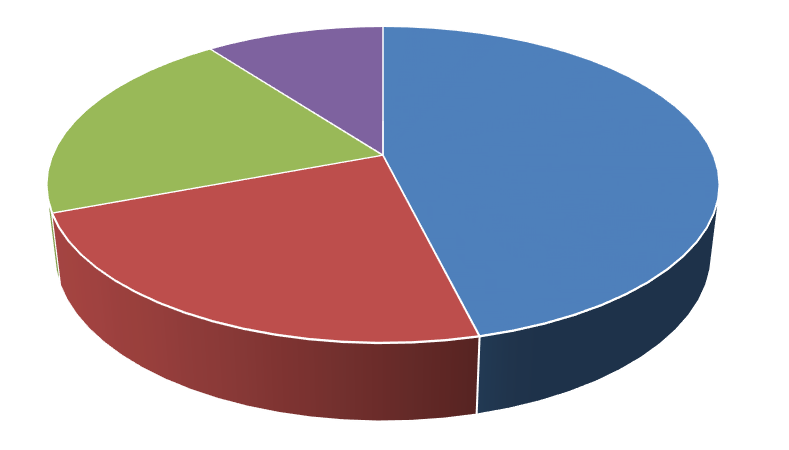
Retail packaged products share | ~68% | ~61% | Retail remains the base, but foodservice grows faster |
Foodservice and café channel share | ~18% | ~25% | Barista-grade formats become more strategic |
Online and D2C share | ~14% | ~14% | Strong for discovery, subscriptions, and premium packs |
Key consumer groups include lactose-intolerant adults, vegan buyers, flexitarian households, health-focused millennials, premium grocery shoppers, coffee drinkers, and consumers looking for dairy-free dessert or smoothie ingredients. On the client side, demand comes from packaged beverage brands, supermarket chains, cafés, specialty coffee shops, hotel kitchens, health food retailers, meal-kit firms, and foodservice distributors.
The Cashew Milk Market is not built only on the plant-based trend. Its stronger angle is product experience. Creaminess is the selling point. Brands that can deliver texture, clean labeling, and consistent pricing will have an edge. Those that treat it as just another dairy substitute may struggle because cashew milk usually carries a higher input cost than several competing plant bases.
Expert view: The next phase of growth will not come from simply putting cashew milk on more shelves. It will come from better formulations, more foodservice-ready products, and clearer use cases such as coffee, smoothies, cereal, and premium cooking.
Competitive Intelligence and Benchmarking
The competitive field in the Cashew Milk Market is still fragmented. Large plant-based dairy companies control shelf access, while smaller premium brands shape product language around clean labels, organic ingredients, and café functionality. Cashew milk is rarely the largest SKU family for these players. It is usually positioned as a creamy, higher-value extension inside a broader dairy-alternative portfolio.
Company | Product Portfolio and Market Position | Benchmarking View |
Elmhurst 1925 | Elmhurst 1925 has built a premium plant-based portfolio around nut, grain, and seed milks. Its cashew milk offering is positioned around short ingredients, higher nut content, and barista-style usability. | Strong in clean-label positioning. The brand appeals to consumers who want fewer additives and better texture rather than the lowest shelf price. |
Forager Project | Forager Project focuses on organic dairy-free products using cashews, coconuts, and related plant bases. Its cashew milk and cashew-linked yogurt portfolio supports a broader “plant-based creamery” identity. | Strong fit for natural grocery and health-focused retail. Its advantage is credibility in organic and minimally processed products. |
Califia Farms | Califia Farms offers a wide plant-based drinks portfolio across almond, oat, coconut, coffee, creamers, and cashew-based beverages. Its cashew milk sits in the cleaner, organic end of its portfolio. | The company has wider retail visibility than many niche players. Its challenge is keeping cashew milk distinct inside a broad plant-milk range. |
MALK Organics | MALK Organics competes with a short-ingredient, organic positioning. The brand sells plant-based milks and creamers across several bases, including cashew. | Strong among premium buyers who avoid gums, oils, and fillers. The brand’s shelf-stable expansion can improve reach beyond refrigerated specialty channels. |
Rude Health | Rude Health sells organic plant-based drinks, cereals, and natural food products. Its cashew drink is positioned as a mild, creamy, no-added-sugar beverage for breakfast, coffee, and cooking. | Strong UK and European natural-food positioning. The brand gains additional scale support after its acquisition by Oddlygood. |
Alpro / Danone | Alpro, under Danone, has one of the strongest plant-based dairy platforms in Europe. Its cashew drink is marketed as a creamy dairy-free beverage with added vitamins and calcium in several markets. | Scale, retail access, and brand trust are its advantages. It is better suited for mainstream penetration than niche premium storytelling. |
Plenish | Plenish focuses on organic plant-based drinks and wellness-led beverages. Its cashew milk is positioned around simple ingredients and organic sourcing. | Strong in premium UK retail and online multipacks. It competes on ingredient simplicity and lifestyle branding. |
The competitive split is becoming clearer. Premium brands are winning on formulation quality. Large companies are winning on availability. Foodservice buyers care less about brand storytelling and more about foam stability, taste consistency, and unit economics. So, the next competitive benchmark will not be only shelf presence. It will be performance across coffee, smoothies, cooking, and subscription channels.
Expert view: Cashew milk is unlikely to become the volume leader of plant-based milk. But it can become a profitable premium sub-category where texture and clean-label claims justify higher pricing.
Regional Landscape and Adoption Outlook
Regional adoption in the Cashew Milk Market depends on three practical factors: plant-based milk maturity, premium retail infrastructure, and access to cashew supply. Cashew milk grows faster where consumers already understand dairy alternatives and where retailers can support premium SKUs. It moves slower where price sensitivity is high or where soy, oat, or almond already dominate.
Region / Country | Adoption Outlook | Growth Pattern |
United States | The United States remains one of the most developed markets for cashew milk. Premium grocery chains, natural food stores, e-commerce platforms, and café channels support wider trial. Plant-based milk already has a meaningful share of the broader milk category, with 2025 U.S. data showing plant-based milk at 13% of total milk dollar sales and 30% in the natural channel. | Growth will be steady but more selective. Consumers are asking harder questions on protein, sugar, additives, and price. Cashew milk brands with clean labels and barista performance will outperform generic products. |
Europe | Europe is highly relevant, but regulation affects naming and packaging. In the EU, dairy terms such as “milk” face stronger restrictions for plant-based alternatives. This pushes brands toward terms such as “cashew drink” or “plant-based drink.” | The UK, Germany, Netherlands, France, and Nordic markets are the most attractive. Premium organic brands and café-focused products should continue to gain shelf space. |
China | China has a large plant beverage culture, but cashew milk is still niche compared with soy, walnut, peanut, and oat beverages. Adoption is more likely in imported grocery, premium retail, and health-led e-commerce. | Growth will be urban and platform-led. Shanghai, Beijing, Shenzhen, and Guangzhou are likely early demand pockets. Local taste adaptation will matter. |
India | India has strong cashew processing capability and a large lactose-sensitive consumer base, but packaged cashew milk remains underdeveloped. Almond, soy, and oat alternatives are more visible in organized retail. | Growth potential is high from a low base. Price remains the biggest hurdle. Local sourcing and smaller pack sizes can improve affordability. |
Japan | Japan is a premium but cautious market. Consumers value quality, digestive comfort, and functional nutrition. Cashew milk can fit cafés, premium supermarkets, and wellness-led retail. | Growth will be moderate. Product success depends on taste, packaging discipline, and smaller formats suited to Japanese consumption behavior. |
South Korea | South Korea has strong café culture and a fast-moving health-and-beauty retail ecosystem. Oat milk has built the plant-based coffee pathway. Cashew milk can follow as a creamier, premium alternative. | Growth is likely through cafés, online platforms, and premium grocery. Barista-grade products have better prospects than basic plain formats. |
Middle East | The Middle East, especially the UAE and Saudi Arabia, is relevant for premium imported plant-based beverages. Demand comes from expat populations, cafés, hotels, fitness consumers, and modern grocery chains. | Adoption will be concentrated in urban retail and hospitality. Cold-chain and import pricing remain key constraints, but premium willingness-to-pay is relatively strong in Dubai, Abu Dhabi, Riyadh, and Jeddah. |
The regional story is not uniform. The Cashew Milk Market will scale first in markets where consumers already pay more for better dairy alternatives. In emerging markets, it needs local manufacturing or regional co-packing to avoid being trapped as a costly imported niche.
Expert view: India and Southeast Asia offer the most interesting long-term supply-demand link. These regions can source cashews closer to origin and build affordable formats for local consumers. That may lead to a different growth model than the U.S. or Europe.
Recent Developments + Opportunities & Restraints
Recent Developments
- March 2024 – MALK Organics funding and shelf-stable expansion: MALK Organics secured additional Series B extension funding to support retail expansion, marketing, and product development. The company also introduced new shelf-stable products, including cashew milk, which supports broader distribution beyond refrigerated natural-food channels.
- October 2024 – Oddlygood acquired Rude Health: Oddlygood acquired UK plant-based brand Rude Health. The deal strengthens Oddlygood’s UK and European platform and gives Rude Health more backing for expansion in plant-based drinks and adjacent dairy alternatives.
- January 2025 – FDA issued broader plant-based alternatives labeling draft guidance: The U.S. FDA issued draft guidance on labeling plant-based alternatives to animal-derived foods. While plant-based milk naming has been handled separately, the broader direction reinforces the need for clear product identity, transparent claims, and better consumer understanding.
- February 2026 – Forager Project introduced new cashew-linked high-protein dairy-free products: Forager Project launched new organic dairy-free products using organic cashews, coconut milk, and rice protein. This indicates continued innovation around cashew’s role as a creamy base beyond fluid milk.
- June 2026 – Arummi Foods expanded cashew milk into Indonesian minimarkets: Arummi Foods, positioned as Indonesia’s first cashew milk brand, announced expansion into 20,000 minimarket channels, alongside existing foodservice reach. This is a useful signal for Southeast Asian localized cashew milk models.
Opportunities and Business Insights
- Emerging market localization
Cashew-producing and cashew-processing regions can move from raw material exports to value-added beverage production. India, Vietnam, Indonesia, and parts of Africa have strategic potential if brands can solve pricing, quality control, and shelf-life challenges. - Café and foodservice formats
Barista-grade cashew milk is a premium opportunity. The product’s natural creaminess works well in coffee and smoothies. This can help brands avoid direct price comparison with mainstream almond or oat milk. - Clean-label premium positioning
Consumers are reading labels more carefully. Products with fewer ingredients, no added sugar, no gums, and organic certification can command better pricing, especially in the U.S., UK, Germany, Japan, and premium Asian grocery channels.
Restraints
- Raw cashew price volatility
Cashew milk depends on a higher-cost nut base. Any disruption in raw cashew supply or processing margins can compress brand profitability quickly. - Allergen sensitivity
Cashew is a tree nut. That limits institutional penetration in schools, airlines, and some mass foodservice environments where nut-allergy risk is managed conservatively. - Competition from oat, soy, and almond milk
Oat milk has café strength. Soy milk has protein strength. Almond milk has broad retail familiarity. Cashew milk must defend its role through texture, taste, and premium use cases.


