

Market Summary and Growth Forecast
The global Cloud Office Migration Tools Market will witness a robust CAGR of 13.4%, valued at $1.35 billion in 2026, expected to appreciate and reach $4.18 billion by 2035.
The market covers software platforms and managed toolsets used to move enterprise email, files, calendars, contacts, chat data, collaboration spaces, permissions, archives, and user identities between cloud office environments. The most common migration paths are Microsoft 365-to-Microsoft 365, Google Workspace-to-Microsoft 365, Microsoft 365-to-Google Workspace, legacy Exchange-to-cloud, file server-to-OneDrive or SharePoint, and tenant consolidation after mergers or business restructuring.
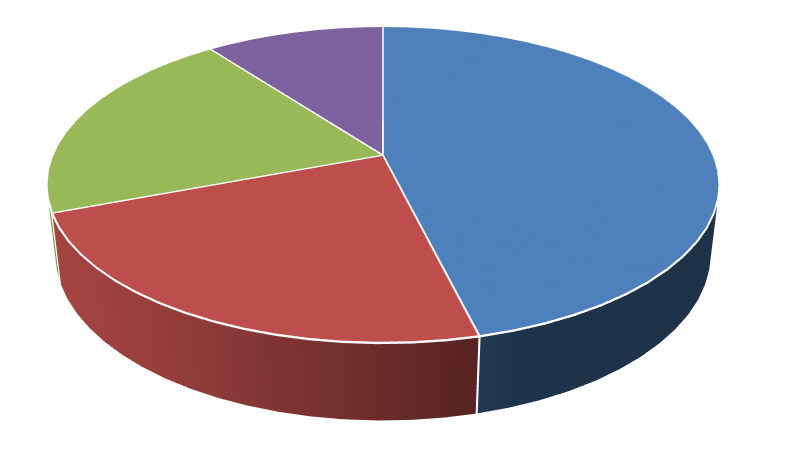
In 2026, the Cloud Office Migration Tools Market sits at a practical point in enterprise IT. Most large organizations are already using cloud productivity platforms. The next wave is not basic cloud adoption. It is cleanup, consolidation, compliance-led migration, tenant separation, and AI-readiness. Companies are trying to reduce duplicate tenants, fix unmanaged permissions, prepare SharePoint and OneDrive data for Copilot-style AI experiences, and move away from legacy email protocols.
Several forces will shape demand through 2035. First, merger and acquisition activity keeps creating tenant-to-tenant migration needs. A company may acquire three regional firms and inherit five Microsoft 365 tenants. That creates identity conflicts, duplicate domains, broken permissions, and collaboration risk. Migration tools solve that operational mess.
Second, cloud office platforms are becoming more regulated environments. Data residency, auditability, retention policies, legal hold, and role-based access are now part of the migration discussion. In sectors such as banking, healthcare, government, education, and legal services, the migration tool is no longer viewed as a simple transfer utility. It becomes a governance and risk-control layer.
Third, platform changes are pushing organizations to modernize. Microsoft’s move away from older Exchange Web Services toward Microsoft Graph changes how migration tools connect with Exchange Online. This makes API modernization a real product requirement rather than a nice upgrade.
Fourth, AI adoption is changing the value of migration. A poor migration creates duplicated files, stale permissions, broken metadata, and weak search quality. That directly affects enterprise AI outcomes. So, buyers are asking harder questions: Can the tool preserve metadata? Can it scan risk before migration? Can it map permissions clearly? Can it report what changed?
Metric | Estimate / View |
Global market size, 2026 | $1.35 billion |
Projected market size, 2035 | $4.18 billion |
CAGR, 2026–2035 | 13.4% |
Largest demand base, 2026 | North America |
Fastest-growing regional cluster | Asia Pacific |
Most strategic workload | Tenant-to-tenant Microsoft 365 migration |
Highest-value customer group | Large enterprises and regulated industries |
Key stakeholders include Microsoft, Google, BitTitan, Quest Software, AvePoint, ShareGate, cloud managed service providers, system integrators, cybersecurity firms, enterprise IT teams, compliance officers, investors, public-sector technology buyers, and industry groups linked to cloud security and digital workplace governance.
The market also includes channel partners and migration consultants. They matter because many customers don’t buy the tool alone. They buy assurance. They want weekend cutovers, rollback plans, user communication templates, license mapping, migration dashboards, and post-migration validation.
Expert insight: By 2035, the stronger players will not be the ones that only “move mailboxes.” They’ll be the ones that combine migration, governance, discovery, automation, and AI-readiness into a single workflow. That’s where spending will move.
Market Segmentation and Forecast Scope
The Cloud Office Migration Tools Market can be segmented by migration type, workload, deployment model, end user, organization size, service model, and region. This structure reflects how enterprises actually buy these tools. A mid-sized company moving from Google Workspace to Microsoft 365 has a very different buying journey compared with a global bank separating a tenant after divestiture.
By Migration Type
Segment | Scope | 2026 Position |
Tenant-to-Tenant Migration | Microsoft 365-to-Microsoft 365, Google Workspace-to-Google Workspace, cross-domain consolidation, post-M&A separation | Largest and most strategic segment |
Legacy-to-Cloud Migration | Exchange Server, file servers, on-prem SharePoint, Notes/Domino-type legacy systems to cloud platforms | Mature but still active |
Cross-Platform Migration | Google Workspace-to-Microsoft 365 and Microsoft 365-to-Google Workspace | Strong growth from platform switching |
Hybrid Migration | Mixed on-prem and cloud environments with staged migration | Important for regulated and complex enterprises |
Tenant-to-tenant migration is estimated to account for around 38% of global revenue in 2026. It leads because enterprise cloud environments have become fragmented. M&A, regional IT autonomy, divestitures, and licensing consolidation all create demand.
Cross-platform migration is smaller today but more visible. It gains attention when companies standardize productivity environments after cost reviews or leadership changes.
By Workload
Workload Segment | What It Includes | Market Relevance |
Email and Calendar Migration | Mailboxes, calendars, contacts, shared mailboxes, public folders | Core and high-volume |
File and Document Migration | OneDrive, Google Drive, SharePoint, file servers, shared drives | High growth due to AI and governance needs |
Teams and Collaboration Migration | Teams, channels, chats, groups, permissions, meeting data | Technically complex and premium-priced |
Identity and Permission Mapping | Users, groups, aliases, access rights, license alignment | Increasingly strategic |
Archive and Compliance Data Migration | Journals, retained data, legal-hold content, audit-linked datasets | Critical for regulated buyers |
Email migration remains the base workload, but file and collaboration migration is where complexity and value are rising. Moving a mailbox is often predictable. Moving a large SharePoint estate with permissions, labels, version history, and user access intact is far harder.
File and document migration is estimated to represent about 31% of revenue in 2026, supported by growth in OneDrive, SharePoint, Google Drive, and enterprise content cleanup projects.
By Deployment and Delivery Model
Segment | Explanation |
SaaS Migration Platforms | Browser-based platforms used by IT teams and MSPs for repeatable migrations |
Enterprise Licensed Tools | Larger deployments with advanced controls, reporting, permissions, and workflow customization |
Managed Migration Services | Tool plus consulting support, usually for complex or time-sensitive projects |
Native Platform Tools | Built-in migration capabilities from Microsoft, Google, and related platform ecosystems |
SaaS-based migration platforms dominate mid-market and MSP-led projects because they are fast to start and easier to price per user or per workload. Managed services are more common in complex enterprises, especially when downtime risk is low tolerance.
By End User
End User | Adoption Pattern |
Large Enterprises | High-value migrations, multi-tenant estates, global governance needs |
SMEs | Price-sensitive demand, often served through MSPs |
Government and Public Sector | Security, compliance, data residency, audit-heavy procurement |
BFSI | Retention, legal hold, access governance, controlled cutover |
Healthcare and Life Sciences | Privacy controls, regulatory continuity, user downtime reduction |
Education | Large user base migrations, cost control, domain restructuring |
IT and Professional Services | Frequent tenant changes, client-driven migrations, MSP delivery models |
Large enterprises hold the most revenue weight. SMEs create strong volume but often lower average deal value. Public sector and BFSI generate longer sales cycles but better margins because governance and risk controls are built into the purchase.
By Region
Region | Demand Outlook |
North America | Largest market, led by cloud maturity, M&A activity, and Microsoft 365 penetration |
Europe | Strong compliance-driven demand, especially around data control and regulated migration |
Asia Pacific | Fastest growth, supported by digital workplace expansion and cloud modernization |
LAMEA | Emerging demand, led by large enterprises, public-sector cloud moves, and multinational standardization |
Asia Pacific is the fastest-growing region through 2035. India, Japan, Australia, Singapore, and South Korea are likely to remain strong demand centers. China is more complex due to local cloud ecosystems and regulatory conditions, but large multinational migration projects still create opportunities.
Expert insight: The segment to watch is not basic email transfer. It is collaboration migration with permission intelligence. That’s where enterprise buyers feel the pain. That’s also where vendors can defend premium pricing.

Market Trends and Innovation Landscape
The Cloud Office Migration Tools Market is becoming more technical, more compliance-led, and more tied to digital workplace strategy. The early market was built around mailbox migration. The next phase is about workload orchestration. That includes email, files, Teams, SharePoint, Google Drive, calendars, permissions, identities, archives, and post-migration governance.
AI-Assisted Discovery and Pre-Migration Assessment
AI is becoming relevant, but not in a flashy way. The real use case is practical. Migration platforms are starting to use automation and analytics to assess source environments before cutover. This includes duplicate file detection, stale user identification, permission-risk scoring, unsupported object detection, and migration wave planning.
For example, before a large tenant consolidation, an IT team may need to know which users own high-risk shared drives, which Teams channels are inactive, and which files should not move due to retention rules. AI-assisted discovery can reduce manual review time and improve cutover planning.
Expert insight: AI won’t replace migration engineers. It will reduce bad surprises. In this market, fewer surprises equal real value.
API Modernization and Microsoft Graph Alignment
API evolution is one of the biggest technology shifts. Microsoft’s retirement path for Exchange Web Services in Exchange Online pushes vendors to modernize connectors and rely more heavily on Microsoft Graph. This affects migration speed, authentication, throttling behavior, permissions, and long-term product reliability.
Vendors that depend heavily on older API models may face redevelopment pressure. Buyers will increasingly ask whether a tool is Graph-aligned, supports modern authentication, and can handle throttling across large migration batches.
This shift also raises the value of native integration. Microsoft’s own cross-tenant migration capabilities and migration orchestrator developments will reshape the competitive field. Third-party tools will still matter, but they’ll need stronger differentiation in planning, reporting, cross-platform support, governance, and managed-service execution.
Tenant-to-Tenant Migration Becomes a Board-Level IT Issue
Tenant-to-tenant migration is moving from an IT utility task to a business continuity topic. Why? Because it touches users directly. If email, Teams chats, OneDrive links, and SharePoint permissions break after a migration, employees feel it immediately.
M&A activity is a major demand trigger. Divestitures are equally important. When a business unit is carved out, its digital workplace must be separated cleanly, often under a hard deadline. Migration tools that support staged cutovers, coexistence, user mapping, and post-migration validation will be better positioned.
Collaboration Workloads Are Becoming the Innovation Center
The hardest part of migration is no longer email. It is collaboration data. Teams channels, SharePoint sites, shared drives, file metadata, permission structures, labels, links, and chat histories are harder to move cleanly. They also carry more governance risk.
This is why vendors such as Quest Software, AvePoint, ShareGate, and BitTitan are positioning around workload breadth, permissions, dashboards, and repeatable migration paths. The market is moving from “copy data” to “rebuild user productivity without losing control.”
Compliance, Audit, and Security Features Move Up the Buying Checklist
Migration projects now involve compliance teams much earlier. The questions are sharper:
Can the tool preserve chain of custody?
Can it report failed items clearly?
Can it migrate permissions without overexposing files?
Can it support legal hold or retention-sensitive workloads?
Can it give an audit trail after cutover?
Regulated industries will pay more for stronger controls. That creates a premium tier in the Cloud Office Migration Tools Market. These buyers care less about the lowest migration price and more about defensibility.
Partnerships and Platform Ecosystem Activity
Recent industry activity shows the market becoming more platform-centered. Microsoft has expanded native cross-tenant migration capabilities and migration orchestration for Microsoft 365 environments. Google continues to provide structured migration support for organizations moving data into Google Workspace. AvePoint Fly is positioned for Microsoft 365 and Google Workspace migration. Quest On Demand Migration focuses on Microsoft 365 tenant migration and workload movement. BitTitan MigrationWiz remains widely used by MSPs and enterprises for cloud-to-cloud migration paths.
The direction is clear. Vendors are not just selling one-time migration utilities. They’re building ecosystems around migration, governance, readiness, and post-migration management.
Innovation Outlook Through 2035
By 2035, successful tools will likely include deeper automation around identity mapping, permission simulation, cutover risk scoring, API throttling optimization, and post-migration user experience checks. Large buyers will prefer platforms that can migrate data and also explain what happened, what failed, what changed, and what risk remains.
The Cloud Office Migration Tools Market will also benefit from the rise of AI-ready content programs. Enterprises preparing for AI assistants need clean data estates. That means migration tools may increasingly sit beside governance, compliance, records management, and digital workplace analytics.
Expert insight: The future buyer won’t ask only, “Can this tool migrate our data?” They’ll ask, “Can it help us migrate cleanly enough to trust our data afterward?” That shift will define vendor differentiation.
Competitive Intelligence and Benchmarking
The competitive landscape is shaped by a mix of platform owners, specialist migration vendors, governance software providers, and MSP-focused automation platforms. The market is not winner-takes-all. Buyers usually select tools based on workload depth, migration path, compliance needs, support quality, and cutover complexity.
Large enterprises want control and reporting. MSPs want repeatability and speed. Regulated users want audit evidence. That creates room for several strong vendor positions.
Company | Portfolio Focus | Market Position |
Microsoft | Native migration tools for Microsoft 365, cross-tenant mailbox and user-data migration, SharePoint and OneDrive migration, admin-led migration workflows | Platform owner with strong native advantage |
Data import and migration tools for moving email, files, users, folders, permissions, and chat data into Google Workspace | Platform-led migration option for Workspace adoption | |
BitTitan | Cloud-to-cloud and legacy-to-cloud migration workflows, mailbox migration, document movement, MSP-oriented project execution | Strong MSP and mid-market penetration |
Quest Software | Enterprise-grade Microsoft 365 tenant migration, directory migration, Teams, SharePoint, OneDrive, Exchange, and identity-linked workloads | Strong enterprise and complex migration position |
AvePoint | Microsoft 365 and Google Workspace migration, content movement, identity migration, prechecks, dashboards, staged cutovers | Strong governance-linked migration positioning |
ShareGate | Microsoft 365 migration and governance, SharePoint and Teams migration, permission visibility, Copilot-readiness support | Strong Microsoft 365 specialist position |
Cloudiway | Cross-platform migration covering mail, files, archives, coexistence, Google Workspace, Microsoft 365, and collaboration workloads | Niche but relevant cross-platform migration player |
Microsoft
Microsoft holds the strongest structural position because most enterprise migration demand is tied to Microsoft 365. Its native tools are important for mailbox, OneDrive, SharePoint, and tenant-to-tenant migration planning. The company also benefits from direct control over Microsoft Graph, Entra ID, Exchange Online, SharePoint Online, Teams, and Microsoft 365 admin workflows.
Its market position is not only about tool ownership. It controls the platform rules. API changes, authentication requirements, licensing models, and migration permissions all influence third-party vendors. That gives Microsoft a powerful role in shaping the market even when customers use external tools.
Expert insight: Microsoft’s native tools will reduce some basic third-party demand. But complex projects still need independent tools, migration planning, dashboards, rollback logic, and partner-led execution.
Google is more relevant in inbound Workspace migration than in the broader multi-tool migration market. Its migration capabilities support organizations moving business data into Google Workspace from Microsoft Exchange, OneDrive, file shares, and other Workspace accounts. This matters most for education, digital-native firms, public-sector users, and cost-conscious organizations standardizing on Google Workspace.
The company’s market position is platform-led. It does not compete like an independent migration vendor. It helps reduce friction for Workspace adoption and tenant consolidation. That makes migration tooling part of its workspace growth strategy rather than a standalone revenue engine.
BitTitan
BitTitan is one of the most visible independent names in cloud office migration. Its strength sits with MSPs, IT consultants, and mid-market enterprises that need repeatable migration workflows across Microsoft 365, Google Workspace, and legacy systems. The company is widely associated with mailbox and collaboration migration projects where speed and standardization matter.
Its position is practical. Customers often choose BitTitan when they need a familiar project workflow, endpoint flexibility, and migration execution without heavy enterprise customization. It is especially relevant where partners manage multiple client migrations every month.
Quest Software
Quest Software is positioned toward large and complex Microsoft 365 tenant migration. Its tools are used where enterprises need to consolidate tenants, migrate workloads, manage identity dependencies, and support complicated post-M&A environments.
Its strength is workload breadth. Migration often touches Exchange, OneDrive, SharePoint, Teams, groups, directory objects, domains, and permissions. Quest Software competes well where those pieces need to move together under tight governance.
AvePoint
AvePoint sits at the intersection of migration, data governance, and Microsoft 365 management. Its migration portfolio supports Microsoft 365 and Google Workspace movement, staged cutovers, prechecks, dashboards, and content migration.
The company’s broader governance positioning gives it an advantage with regulated enterprises. Buyers that care about permissions, lifecycle controls, and content visibility may see AvePoint as more than a migration tool provider.
ShareGate
ShareGate is strongly associated with Microsoft 365, SharePoint, Teams, and governance-led migration. Its position is clear: simplify migration while helping IT teams regain control of Microsoft 365 environments.
It is particularly relevant for organizations that need to move SharePoint sites, Teams workspaces, lists, libraries, and permissions while also preparing content for better governance. Its Copilot-readiness angle is becoming more important as enterprises clean up Microsoft 365 before deploying AI tools.
Cloudiway
Cloudiway is a specialist cross-platform player. It is relevant in migrations involving Microsoft 365, Google Workspace, mail systems, archives, coexistence, and collaboration environments. It often fits projects where platform switching or hybrid coexistence is required.
Its position is more focused than the largest vendors but still valuable. Cross-platform complexity is rising, and not every customer wants a platform-native route.
Expert insight: The most defensible vendors will be those that combine migration execution with governance evidence. Buyers no longer want only a transfer tool. They want a controlled transformation.
Regional Landscape and Adoption Outlook
Regional adoption depends on cloud office penetration, enterprise IT maturity, M&A activity, cybersecurity regulation, public cloud readiness, and the strength of managed service providers. The market is mature in North America and Western Europe. Asia is moving faster now, but the reasons differ by country.
Region / Country | 2026 Adoption Level | Growth Outlook to 2035 | Primary Demand Trigger |
North America | High | Strong | M&A, Microsoft 365 maturity, tenant consolidation |
Europe | High | Moderate to strong | Compliance, data protection, public-sector modernization |
China | Moderate | Selective growth | Multinational migration, local cloud complexity |
India | Moderate | Very strong | SaaS adoption, IT services, enterprise cloud modernization |
Japan | Moderate to high | Strong | Legacy modernization, regulated enterprise migration |
South Korea | Moderate to high | Strong | Digital workplace investment, security-led cloud adoption |
Rest of the World | Low to moderate | Selective growth | Cloud adoption, multinational standardization |
North America
North America remains the largest revenue pool. The U.S. leads because of high Microsoft 365 penetration, large enterprise cloud estates, frequent M&A, and a mature MSP ecosystem. Canada follows with strong public-sector and regulated-industry demand.
A large North American enterprise may already have five to ten cloud office environments after acquisitions. That creates a real need for tenant consolidation, permission cleanup, and user migration planning. Cloud migration tools are increasingly purchased as part of broader digital workplace rationalization.
The region also has the strongest ecosystem of migration consultants, Microsoft partners, cybersecurity advisors, and managed service providers. That makes adoption faster and project execution more repeatable.
Europe
Europe is compliance-heavy. GDPR, data residency expectations, and sector-specific security requirements make migration more sensitive. Germany, the U.K., France, the Netherlands, and the Nordics are the most attractive demand pockets.
The region is not only moving data. It is documenting how data moves. Buyers care about audit trails, failed item reporting, access rights, and whether permissions remain appropriate after migration. This supports demand for higher-value tools rather than basic transfer utilities.
White space remains in Southern and Eastern Europe, especially among mid-sized firms that still rely on fragmented mail systems, legacy file servers, or local IT providers.
China
China is a selective market. The global Microsoft 365 and Google Workspace migration market does not operate in the same way as in North America or Europe due to local cloud ecosystems, regulatory requirements, and enterprise preference for domestic platforms.
That said, multinational companies operating in China still create demand. Projects may involve separating Chinese operations from global tenants, managing compliant collaboration environments, or supporting cross-border business units. Adoption is more consulting-led and less standardized.
India
India is one of the fastest-growing markets. Demand is supported by rapid enterprise SaaS adoption, a large IT services sector, cloud-first start-ups, and a rising number of mid-market companies moving from legacy mail or unmanaged Google Workspace setups to Microsoft 365.
India also has a strong delivery ecosystem. Many global migration projects are planned, supported, or executed from Indian IT service centers. This makes the country both a consumption market and a service hub.
The biggest white space sits in SMEs and traditional enterprises. Many still lack structured data governance before migration. That creates opportunity for bundled offerings: assessment, cleanup, migration, and post-migration governance.
Japan
Japan’s adoption is driven by legacy modernization and enterprise productivity upgrades. Large companies often have complex IT structures, long-standing email archives, strict internal approval processes, and a cautious migration culture.
This creates demand for reliable tools with strong reporting and low-disruption execution. Japan may not always move fastest, but project quality expectations are high. Vendors with strong local partners and Japanese-language support will perform better.
South Korea
South Korea shows strong adoption potential due to high digital infrastructure quality, cloud use among large enterprises, and security-conscious industries such as healthcare, electronics, manufacturing, and financial services.
Migration demand is tied to enterprise collaboration modernization. Large South Korean firms often need to integrate global subsidiaries, secure user data, and align cloud office tools with cybersecurity standards. Microsoft 365 remains a major demand driver, while Google Workspace has selective strength in education, start-ups, and cloud-native teams.
Rest of the World
Rest of the World includes Latin America, the Middle East, Africa, Southeast Asia outside leading hubs, and smaller developed markets. Adoption is uneven.
The Middle East is gaining traction due to public-sector digitization and enterprise cloud investment in the UAE and Saudi Arabia. Latin America is led by Brazil, Mexico, Chile, and Colombia, mostly through Microsoft partners and MSPs. Africa remains early-stage outside South Africa, Kenya, Egypt, and large multinational accounts.
Underserved regions often need lower-cost migration packages, local partner support, and bundled managed services. The opportunity is not only software. It is execution capability.
Expert insight: The biggest regional upside will come from markets where cloud office adoption is growing faster than data governance maturity. That gap creates paid migration work.
End-User Dynamics and Use Case
End-user adoption is shaped by risk tolerance, data complexity, platform choice, and internal IT capacity. Large enterprises treat migration as a structured IT transformation. SMEs often treat it as a service project handled by an MSP. Regulated industries see it as a compliance event. Education users often prioritize scale and cost. Healthcare and BFSI prioritize privacy, retention, and auditability.
End User | Typical Adoption Pattern | Key Buying Criteria |
Large Enterprises | Tenant consolidation, M&A migration, global standardization | Workload breadth, governance, reporting, support |
SMEs | Mailbox and file migration through MSPs | Price, speed, simplicity |
BFSI | Controlled migration with audit and retention focus | Compliance, access control, downtime reduction |
Healthcare | Sensitive data migration with strict continuity needs | Privacy, audit trail, user continuity |
Education | Large user migration across students, faculty, and staff | Cost, scale, identity mapping |
Government | Migration tied to cloud modernization and data residency | Security, procurement compliance, local controls |
IT Services and MSPs | Repeatable client migrations across many tenants | Automation, multi-client management, licensing flexibility |
Large enterprises contribute the highest value because their migrations are rarely simple. They need discovery, staging, coexistence, user mapping, permissions management, communication planning, and post-migration support.
SMEs contribute strong unit volume. A 200-user company may migrate email and files over a weekend with support from an MSP. The tool choice often depends on the partner rather than the end customer.
BFSI and healthcare are less price-sensitive when risk is high. They look for chain-of-custody reporting, failed item tracking, permission preservation, legal hold awareness, and clear rollback planning.
Education is a different type of buyer. Universities and school networks may have very large user counts but lower spending per user. The operational challenge is scale: students, alumni, faculty, temporary users, shared drives, and multiple domains.
Realistic Use Case
A tertiary hospital group in South Korea used a cloud office migration platform while consolidating separate Microsoft 365 tenants across three hospital campuses. The IT team needed to move physician mailboxes, shared department calendars, OneDrive files, and collaboration workspaces without interrupting clinical operations. Migration was completed in waves. Administrative users moved first. Then non-critical departments. Clinical departments were scheduled during low-activity windows. The tool helped map user identities, preserve file access, flag failed items, and generate cutover reports for internal compliance review.
The key lesson is simple. In healthcare, a migration is not only a data movement task. It affects doctors, administrators, compliance officers, and patient-service continuity. That is why healthcare buyers prefer controlled migration with strong reporting over low-cost bulk transfer.
Expert insight: End-user demand will move toward migration-plus-governance bundles. The tool that reduces user disruption and leaves a cleaner environment behind will win more strategic accounts.
Recent Developments + Opportunities & Restraints
Recent Developments
Year / Month | Event | Market Impact |
2026 – March | Microsoft updated its Exchange Online EWS retirement guidance, confirming the staged shutdown path and full disablement timeline. | Pushes vendors and enterprises toward Microsoft Graph-aligned migration tools and modern authentication models. |
2026 – March | Microsoft published migration orchestrator guidance for Microsoft 365 tenant-to-tenant user-data migration. | Strengthens native tenant migration capabilities and raises the benchmark for third-party platforms. |
2026 – January | Microsoft FastTrack updated cross-tenant migration guidance covering Exchange Online, SharePoint, and OneDrive tenant movement. | Supports enterprise planning for tenant consolidation and M&A-driven migration. |
2025 – September | Microsoft documented Google Workspace-to-Microsoft 365 migration workflows through the Microsoft 365 admin experience. | Reinforces cross-platform migration demand from Google Workspace into Microsoft 365. |
2024 – Late Cycle to 2026 | Google Workspace continued improving data import support for email, files, folders, permissions, and chat-related migration paths. | Helps reduce friction for organizations moving into Google Workspace or consolidating Workspace environments. |
Opportunities
- AI-ready content cleanup
Enterprises adopting Copilot-style AI tools need cleaner data estates. That creates demand for migration tools that can assess stale files, risky permissions, duplicate content, and fragmented collaboration spaces before migration.
- Emerging market cloud modernization
India, Southeast Asia, the Middle East, and Latin America are still moving many organizations from legacy email, local file servers, and unmanaged cloud setups into structured cloud office environments. This creates growth for MSP-led migration packages.
- M&A and divestiture-led tenant restructuring
Corporate restructuring will keep generating demand for tenant-to-tenant migration. The opportunity is strongest where migration tools support coexistence, staged cutovers, and post-migration validation.
Restraints
- Native platform tools may compress basic migration pricing
As Microsoft and Google improve native migration capabilities, simple mailbox or file migrations may become less attractive for third-party vendors. Independent providers will need stronger governance, automation, and support differentiation.
- API throttling and platform dependency
Migration tools depend heavily on Microsoft and Google APIs. Any change in rate limits, authentication rules, data access models, or endpoint behavior can affect migration speed and reliability.
- Data governance gaps before migration
Many enterprises begin migration with poor data hygiene. Broken permissions, duplicate users, inactive groups, unmanaged archives, and unclear ownership increase project effort. This can delay adoption or raise service costs.
Expert insight: The market’s ceiling is not limited by cloud adoption. It is limited by migration readiness. Vendors that help customers prepare before moving data will capture higher-value projects.


