

Geosynthetics Market: Unveiling the Growth Drivers and Trends
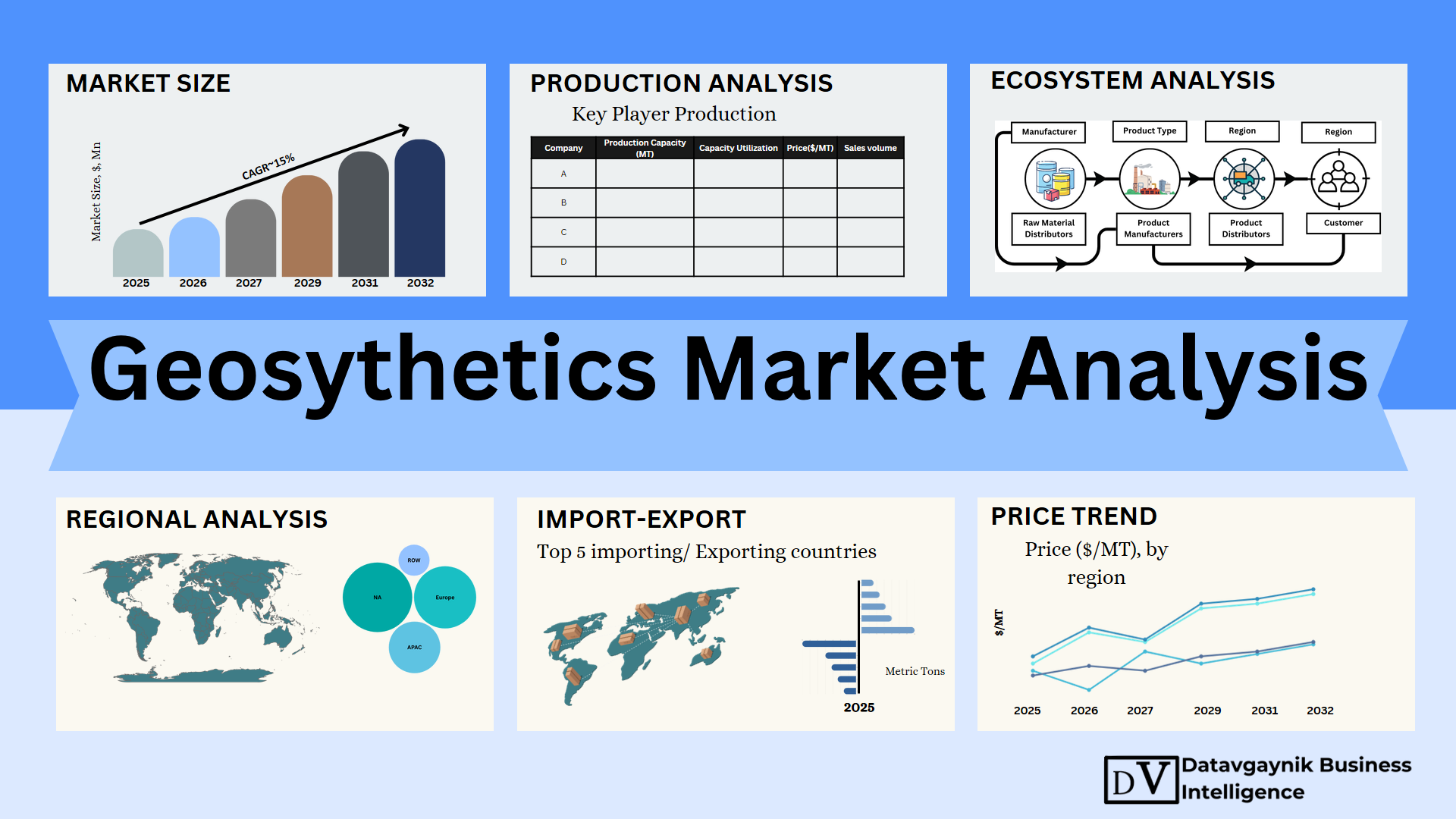
The Geosynthetics Market is entering an era of unprecedented growth, with numerous sectors integrating these materials into their core infrastructure projects. This surge is being fueled by the increasing demand for sustainable construction materials and innovative solutions in environmental protection. As urbanization expands, the need for soil stabilization, erosion control, and efficient waste management has positioned geosynthetics as a pivotal element in modern engineering.
Infrastructure Development Driving the Geosynthetics Market
One of the most influential drivers of growth in the Geosynthetics Market is the rapid expansion of infrastructure development. As nations across the globe focus on building and upgrading roads, bridges, airports, and railways, the demand for geosynthetics to stabilize soils, manage drainage, and protect structures from erosion is growing exponentially.
The global infrastructure market is projected to grow by over 6% annually, with geosynthetics playing a critical role in this transformation. The ability of geosynthetics to reinforce soil structures and facilitate drainage has proven essential for the longevity and sustainability of these large-scale projects. With countries like India and China investing heavily in infrastructure, the adoption of geosynthetics in these markets is accelerating, making up a significant portion of the global demand.
Environmental Protection and Sustainable Practices in the Geosynthetics Market
As environmental concerns continue to dominate global discourse, the Geosynthetics Market is benefiting from an increasing shift toward eco-friendly construction materials. The focus on sustainability has led industries to seek alternatives that minimize ecological footprints while enhancing the efficiency of construction processes. Geosynthetics are instrumental in waste containment, water management, and soil stabilization, making them essential for projects focused on environmental protection. For example, the use of geomembranes in landfills helps prevent soil contamination, while geotextiles are increasingly used in erosion control systems along coastlines and riverbanks. With the global push for sustainable development, the market for geosynthetics is expected to grow at a robust pace, driven by the demand for green building solutions and sustainable civil engineering practices.
Climate Change and Natural Disasters Fueling Demand in the Geosynthetics Market
The escalating impacts of climate change, including flooding, soil erosion, and extreme weather events, have significantly bolstered the demand for geosynthetics in flood management, coastal defense, and erosion control projects. As the frequency of extreme weather events increases, governments and private developers are turning to geosynthetics to protect critical infrastructure. The use of geogrids, geotextiles, and geomembranes in flood defense systems and coastal protection is growing rapidly. Countries with vulnerable coastlines, such as those in Southeast Asia, are prioritizing investments in geosynthetics to enhance resilience against flooding and erosion. This trend is expected to continue, with the Geosynthetics Market seeing strong growth in the coming years as the need for climate adaptation solutions escalates.
Waste Management Solutions Driving the Geosynthetics Market
Another significant trend in the Geosynthetics Market is the increasing demand for waste management solutions. As the global population grows and urbanization accelerates, effective waste containment and disposal systems are becoming more critical. Geosynthetics, particularly geomembranes, are widely used in landfills to prevent leaks and contamination of surrounding soil and groundwater. The demand for geosynthetics in waste management is expected to rise steadily as the push for sustainable waste disposal methods intensifies. With global waste generation expected to rise by 70% by 2050, the role of geosynthetics in waste containment is more vital than ever.
Geosynthetics Market in Agriculture: Meeting the Demand for Efficient Land Use
The application of geosynthetics in agriculture is another rapidly growing segment within the Geosynthetics Market. As global agricultural practices evolve to meet the demands of a growing population, the need for improved water management and soil stabilization has increased. Geosynthetics such as geotextiles and geomembranes are used to enhance irrigation systems, prevent erosion in agricultural fields, and improve the efficiency of water usage. This trend is particularly evident in countries facing water scarcity issues, where the efficient use of water resources is crucial. The Geosynthetics Market is expected to see a significant rise in demand for these applications, with agricultural projects increasingly relying on these materials to boost crop yields and improve soil health.
Technological Advancements Propelling the Geosynthetics Market
The Geosynthetics Market is also benefiting from technological advancements that are enhancing the performance and functionality of these materials. Innovations in production techniques and material composition have led to the development of geosynthetics that are stronger, more durable, and better suited to handle extreme environmental conditions. For example, advances in the production of geogrids and geomembranes have made them more effective in reinforcing soil and preventing leakage in waste containment systems. The introduction of smart geosynthetics, which incorporate sensors and monitoring systems, is another exciting development that promises to transform the industry. These innovations are opening up new application areas and are expected to drive the growth of the Geosynthetics Market in the years to come.
Urbanization and the Expanding Need for Geosynthetics in Construction
Urbanization is another critical factor contributing to the growth of the Geosynthetics Market. As cities around the world continue to expand, the need for effective land reclamation, foundation stabilization, and drainage solutions has intensified. Geosynthetics play an integral role in urban planning and development by providing cost-effective and durable solutions for these challenges. The increasing number of mega-cities and urban development projects, particularly in regions like Southeast Asia and Africa, is expected to drive the demand for geosynthetics in urban infrastructure. As cities focus on developing more sustainable and resilient infrastructure, the role of geosynthetics in construction projects will continue to expand, contributing to the overall growth of the market.
Cost-Effectiveness and Durability in the Geosynthetics Market
One of the key advantages of geosynthetics is their cost-effectiveness and long-term durability compared to traditional construction materials. As industries and governments seek to reduce the overall cost of infrastructure projects while ensuring long-term performance, geosynthetics have become the material of choice. For example, geotextiles are often used in road construction to reinforce soil and improve drainage, significantly extending the lifespan of roadways while reducing maintenance costs. Geosynthetics are also favored in waste management and water containment systems for their ability to provide reliable, long-lasting protection at a lower cost than alternative materials. This combination of cost-effectiveness and durability is driving the widespread adoption of geosynthetics in various industries, making them a cornerstone of modern civil engineering.
Geosynthetics Market Size and the Growing Demand Across Regions
The Geosynthetics Market is expanding rapidly across all regions, with significant growth observed in North America, Europe, Asia Pacific, and emerging markets in Latin America and the Middle East. In North America, the market is being driven by ongoing infrastructure development and environmental protection initiatives. Europe, with its focus on sustainable construction and waste management, continues to be a major player in the market. The Asia Pacific region, particularly China and India, is seeing the most rapid growth in demand for geosynthetics due to the region’s vast infrastructure projects and urbanization efforts. Meanwhile, Latin America and the Middle East are emerging markets, with increasing investments in infrastructure development and environmental sustainability driving the demand for geosynthetics in these regions.
Conclusion: The Future of the Geosynthetics Market
The Geosynthetics Market is poised for sustained growth, driven by the increasing demand for sustainable infrastructure solutions, environmental protection, and efficient waste and water management. With a wide range of applications across construction, agriculture, environmental protection, and more, geosynthetics are becoming indispensable in modern engineering practices. As technological advancements continue to improve the performance of these materials, and as the global focus on sustainability intensifies, the Geosynthetics Market is set to play a central role in shaping the future of infrastructure development worldwide.
Track Country-wise Geosythetics Production and Demand through our Geosythetics Production Database
-
-
- Geosythetics production database for 27+ countries worldwide
- Geosythetics Powder sales volume for 31+ countries
- Country-wise Geosythetics production capacity and production plant mapping, production capacity utilization for 27+ manufacturers
- Geosythetics production plants and production plant capacity analysis for top manufacturers
-
Geosynthetics Market: Geographical Demand and Regional Insights
The Geosynthetics Market is witnessing significant demand across various regions, each driven by unique needs tied to local infrastructure developments, environmental concerns, and industrial growth. Understanding the regional variations in demand helps in forecasting growth trajectories and identifying opportunities for businesses to expand their market share. As the global market for geosynthetics grows, the demand in North America, Europe, Asia Pacific, and other regions presents distinct drivers that shape the dynamics of the overall market.
North America: Strong Infrastructure Demands in the Geosynthetics Market
North America, led by the United States, has established itself as one of the largest and most mature markets for geosynthetics. The demand for geosynthetics in this region is primarily driven by significant investments in infrastructure projects, particularly in civil engineering applications such as road construction, waste management, and flood control. The U.S. government’s infrastructure spending is projected to rise significantly in the coming years, reflecting an increasing need for efficient and durable materials. For instance, in the transportation sector, geosynthetics are essential for stabilizing soil and enhancing drainage in roadways, especially in high-traffic and flood-prone areas.
In addition to infrastructure, environmental concerns are also pushing the demand for geosynthetics. The growing emphasis on sustainable practices in urban planning, such as green building projects and flood management, further increases the adoption of geosynthetics. The development of eco-friendly technologies like permeable pavements and land reclamation has also boosted the demand for geosynthetics, making North America a dominant market for these materials.
Europe: The Geosynthetics Market Driven by Sustainability and Environmental Protection
Europe represents another key region for the growth of the Geosynthetics Market, where demand is largely shaped by the region’s focus on environmental sustainability and infrastructure modernization. Countries such as Germany, the United Kingdom, and France are spearheading the adoption of geosynthetics for construction and environmental projects. In Germany, for example, the rising focus on renewable energy infrastructure, such as wind farms and solar installations, has prompted the widespread use of geosynthetics for soil stabilization and erosion control.
The demand for geosynthetics in Europe is also driven by the increased need for flood management solutions. The continent is home to several low-lying regions that are highly vulnerable to flooding. Geosynthetics, particularly geomembranes and geogrids, are extensively used in flood barriers, dams, and levees to mitigate risks and enhance the resilience of infrastructure. Additionally, Europe’s commitment to achieving net-zero emissions by 2050 has led to the incorporation of geosynthetics in green construction practices, with an increasing focus on reducing the carbon footprint of building materials. This trend is expected to fuel continued growth in the market across the region.
Asia Pacific: Rapid Urbanization and Infrastructure Expansion Fuel Geosynthetics Demand
The Asia Pacific region is the fastest-growing market for geosynthetics, with significant contributions from countries like China, India, Japan, and Southeast Asia. Rapid urbanization, coupled with large-scale infrastructure projects, is a major driver of this growth. In China, massive infrastructure investments, such as the Belt and Road Initiative and extensive highway networks, are driving the demand for geosynthetics in road construction and civil engineering projects. The country’s focus on sustainable development has also increased the use of geosynthetics for environmental protection, particularly in flood control and erosion mitigation.
India, with its burgeoning population and ambitious infrastructure projects, is another significant contributor to the market’s growth. The government’s push for smart cities, along with large-scale developments in transportation, water management, and waste disposal, is creating a rising demand for geosynthetics. The growing need for geosynthetics in agriculture, particularly for water conservation and irrigation systems, is another important driver in this region. Geosynthetics such as geotextiles and geomembranes are being used extensively to improve soil quality, enhance drainage, and manage water efficiently.
Southeast Asia, with countries like Indonesia, Thailand, and Vietnam, is also witnessing rapid growth in geosynthetics demand. As these nations invest in infrastructure development, the need for flood protection, soil stabilization, and waste management systems is intensifying. Geosynthetics have become a crucial component in modernizing infrastructure, particularly in regions vulnerable to climate change and natural disasters.
Latin America: Emerging Markets Driving Geosynthetics Growth
In Latin America, countries such as Brazil, Mexico, and Argentina are showing increasing demand for geosynthetics, driven by infrastructure expansion and environmental protection efforts. The region is experiencing substantial growth in road construction, land reclamation, and waste management projects, which are fueling the adoption of geosynthetics in these sectors. In Brazil, large-scale infrastructure projects such as the construction of highways and bridges are relying on geosynthetics for soil reinforcement, drainage systems, and erosion control.
The growing awareness of environmental concerns, particularly in agriculture and land management, is also contributing to the rise in geosynthetics demand. In Mexico, for example, geosynthetics are being used to improve water retention in agricultural applications, helping to address water scarcity issues in arid regions. Similarly, the increasing focus on flood management in flood-prone areas is further pushing the demand for geosynthetics.
Middle East and Africa: Geosynthetics Market in Infrastructure and Environmental Protection
The Middle East and Africa (MEA) region is experiencing steady growth in the Geosynthetics Market, primarily driven by the rapid urbanization and large-scale infrastructure projects in the region. The United Arab Emirates, Saudi Arabia, and other Gulf countries are investing heavily in infrastructure, including transportation networks, urban development, and coastal protection projects. Geosynthetics are increasingly being used in road construction, waste management, and coastal defense to enhance the stability and sustainability of these projects.
In Africa, geosynthetics are becoming increasingly important for environmental protection and infrastructure development. Countries with significant coastal populations, such as Egypt and South Africa, are incorporating geosynthetics into their flood defense systems and shoreline protection projects. The growing focus on sustainable development in the region is expected to further boost the demand for geosynthetics, particularly in land reclamation, waste management, and water conservation applications.
Geosynthetics Market Segmentation: Products and Applications
The Geosynthetics Market can be segmented based on product types and applications, each serving distinct purposes in various industries.
Product Type Segmentation
The Geosynthetics Market is primarily divided into geotextiles, geomembranes, geogrids, geocells, and other products such as geofoams and geocomposites. Among these, geotextiles represent the largest segment due to their versatility and widespread use in soil reinforcement, drainage, and erosion control. Geotextiles are available in woven, non-woven, and knitted forms, with non-woven geotextiles being particularly popular due to their cost-effectiveness and ease of use in construction applications.
Geomembranes, another key segment, are impermeable synthetic membranes used for water containment, waste management, and environmental protection. The demand for geomembranes is growing rapidly, particularly in landfills, water reservoirs, and irrigation systems, due to the increasing need for waste containment and water management solutions.
Geogrids and geocells are also important products in the market, particularly for soil stabilization and reinforcement in road construction, embankments, and railways. The ability of geogrids to reduce the amount of material needed in construction, while improving soil stability, has made them a popular choice in large-scale infrastructure projects.
Application Segmentation
The Geosynthetics Market serves various applications, with the most prominent being road construction, waste management, water management, and agriculture. In road construction, geosynthetics are used to reinforce soil, prevent erosion, and improve drainage. This segment is experiencing significant growth as governments and private developers invest heavily in infrastructure development to improve transportation networks.
Waste management, particularly in landfills and waste containment systems, is another critical application of geosynthetics. The demand for geosynthetics in this sector is rising rapidly, driven by the increasing need for sustainable waste disposal methods and pollution control.
Water management applications, including dams, reservoirs, and drainage systems, are also a significant contributor to the Geosynthetics Market. Geosynthetics, particularly geomembranes and geotextiles, are used to line water containment structures and prevent water seepage, addressing concerns related to water conservation and management.
In agriculture, geosynthetics are increasingly being used for irrigation systems, erosion control, and soil stabilization. The demand for geosynthetics in this sector is driven by the need for efficient water usage and sustainable farming practices.
Geosynthetics Price and Geosynthetics Price Trend
The price of geosynthetics is influenced by several factors, including raw material costs, production processes, and demand in specific applications. The Geosynthetics Price Trend has shown a steady increase over the past decade, driven by the rising cost of raw materials such as polypropylene and polyethylene, which are used in the production of geosynthetics. However, the price increase is also tempered by the growing adoption of cost-effective production technologies and innovations in material composition.
In general, geosynthetics offer a cost-effective solution when compared to traditional construction materials, which is one of the reasons for their increasing popularity. The growing demand for sustainable infrastructure and environmental protection solutions is expected to drive continued demand for geosynthetics, contributing to steady price trends in the market. However, factors such as fluctuations in raw material costs and supply chain disruptions could introduce volatility in geosynthetics prices over the short term.
As the Geosynthetics Market continues to grow, manufacturers will increasingly focus on developing affordable, high-performance products that meet the demands of both large-scale infrastructure projects and smaller, specialized applications. This ongoing evolution of the market will likely keep the Geosynthetics Price Trend stable while supporting continued innovation and expansion in the industry.
Conclusion
The Geosynthetics Market is experiencing significant geographical demand growth, with each region presenting unique opportunities and challenges. From North America’s infrastructure boom to Asia Pacific’s urbanization surge, the market dynamics are being shaped by local development priorities. The segmentation of the market by product and application further highlights the versatility of geosynthetics, with products like geotextiles, geomembranes, and geogrids finding applications across various industries. As the demand for sustainable construction solutions continues to rise, the Geosynthetics Price Trend is expected to remain steady, making these materials increasingly vital to the future of civil engineering, environmental protection, and infrastructure development worldwide.
“Geosythetics Manufacturing Database, Geosythetics Manufacturing Capacity”
-
-
- Geosythetics top manufacturers market share for 27+ manufacturers
- Top 7 manufacturers and top 16 manufacturers of Geosythetics in North America, Europe, Asia Pacific
- Production plant capacity by manufacturers and Geosythetics production data for 27+ market players
- Geosythetics production dashboard, Geosythetics production data in excel format
-
Geosynthetics Market: Leading Manufacturers and Market Share
The Geosynthetics Market is home to a range of prominent manufacturers that have solidified their positions through innovation, high-quality products, and strategic market expansions. These manufacturers play a crucial role in supplying a diverse portfolio of geosynthetic materials such as geotextiles, geomembranes, geogrids, and geocells, all of which are essential in infrastructure, environmental protection, and civil engineering projects worldwide. The competition in this market is driven by the continuous development of new product lines and technologies that offer enhanced performance, durability, and cost-effectiveness.
Key Manufacturers in the Geosynthetics Market
- GSE Environmental GSE Environmental is a leading global manufacturer of geosynthetic products, specializing in high-performance geomembranes, geotextiles, and geocomposites. Known for their expertise in environmental protection, GSE Environmental’s product line includes geomembranes such as GSE HDPE and LLDPE, which are widely used for waste containment and water management systems. Their geotextiles, primarily used for erosion control and soil stabilization, have gained recognition in various infrastructure projects, especially in the construction of dams, roads, and landfills.
- TenCate Geosynthetics TenCate Geosynthetics is a key player in the Geosynthetics Market, renowned for its extensive range of products used in civil engineering, environmental, and agricultural projects. The company’s products include geotextiles, geomembranes, geogrids, and geocells. TenCate’s geotextiles, such as the TenCate Mirafi series, are widely used for reinforcement and separation in road construction and infrastructure applications. Their TenCate Bidim geotextiles are particularly effective in drainage and filtration. TenCate Geosynthetics also manufactures geogrids and geomembranes that are pivotal in soil stabilization and waste containment systems.
- Berry Global Inc. A significant player in the Geosynthetics Market, Berry Global Inc. produces a wide variety of geosynthetic products, including woven and non-woven geotextiles, geomembranes, and geocells. The company is recognized for its innovative products that serve various industries, including construction, agriculture, and environmental protection. Berry Global’s geotextile line, under brands such as ATEK, is used for road construction, erosion control, and drainage applications. Their geomembranes are integral in water containment and waste management projects, especially in landfills and reservoirs.
- Hanes Geo Components Hanes Geo Components, a division of Leggett & Platt, offers a broad selection of geosynthetics, including geotextiles, geogrids, and erosion control products. The company’s Geotextile fabric lines, such as HanesGeo and HanesTex, are used for a variety of soil reinforcement and filtration applications. Additionally, their geogrid products are designed to provide soil stabilization in projects like highways, embankments, and land reclamation. Hanes Geo Components also produces nonwoven geotextiles for drainage applications in both residential and commercial construction.
- Solmax Solmax is a leading manufacturer of geomembranes and geosynthetic solutions, with a global footprint in over 35 countries. The company’s product offerings include HDPE, LLDPE, and PVC geomembranes, widely used in environmental protection, waste containment, and water management systems. Solmax is particularly noted for its role in the mining and agriculture industries, where their geomembranes and geosynthetic liners are used for pond linings, landfills, and irrigation systems.
- TechFab India Industries A dominant force in the Indian Geosynthetics Market, TechFab India manufactures a wide range of geosynthetic products, including geotextiles, geomembranes, geogrids, and geocells. Their Geotextile range is used extensively in road construction, drainage, and land reclamation projects. TechFab’s geosynthetic solutions are also used in the mining industry for tailings management and environmental protection. Their manufacturing plant in India serves both the domestic and international markets, making them a key player in Asia Pacific.
- AKS Linings AKS Linings is another prominent manufacturer specializing in geomembranes and geosynthetic liners. Known for their advanced HDPE geomembranes, AKS Linings offers solutions for waste containment, water management, and environmental protection. Their products are widely used in landfill construction, mining, and water reservoirs. AKS Linings is recognized for producing high-quality geomembranes with superior resistance to chemical exposure and UV degradation, ensuring long-lasting performance in demanding environments.
- Naue GmbH & Co. KG Naue GmbH & Co. KG is a renowned manufacturer of geosynthetics, with a focus on geotextiles, geomembranes, and geogrids. The company offers products such as Secugrid and Secutex for soil reinforcement and stabilization in infrastructure projects. Naue’s geosynthetics are widely used in landfill liner systems, erosion control applications, and for road construction. Their commitment to innovation and sustainability has enabled Naue to establish a strong foothold in the European and global markets.
Geosynthetics Market Share by Manufacturers
The Geosynthetics Market is highly competitive, with a few key players holding a significant market share due to their extensive product offerings, technological innovations, and global distribution networks. As of recent estimates, the market share distribution among manufacturers is as follows:
- GSE Environmental: 15% – Known for its robust product range, particularly in geomembranes and geotextiles, GSE has a substantial presence in North America and the Middle East.
- TenCate Geosynthetics: 12% – With a diversified product portfolio, TenCate dominates the European and North American markets, particularly in road construction and waste containment.
- Berry Global Inc.: 10% – A significant contributor in both the North American and Asian markets, especially in geotextiles and geomembranes.
- Hanes Geo Components: 9% – Popular for its geotextiles and geogrids, Hanes maintains a strong presence in the U.S. and parts of Asia.
- Solmax: 8% – A leader in geomembranes, especially in mining and environmental applications, Solmax holds a strong position in global markets like Asia and Latin America.
- TechFab India Industries: 6% – A key player in India and Southeast Asia, TechFab focuses on geotextiles and geogrids for large infrastructure projects.
- AKS Linings: 5% – Specializing in high-performance geomembranes, AKS holds a niche market share in waste management and water containment applications.
- Naue GmbH & Co. KG: 5% – Naue’s market share is bolstered by its innovative geosynthetics used for soil stabilization and erosion control, particularly in Europe.
The remaining 30% of the market share is divided among numerous regional players and smaller manufacturers, contributing to the overall diversification of the Geosynthetics Market.
Recent News and Developments in the Geosynthetics Market
The Geosynthetics Market has seen significant developments in the past year, with manufacturers pushing for sustainability, new product innovations, and regional expansions to maintain competitive advantages.
- Solmax Announces Acquisition of GEOSYNTHETICS – On January 15, 2025, Solmax announced its acquisition of a leading geomembrane manufacturer, GEOSYNTHETICS, strengthening its product offerings in the mining and landfill sectors. This move positions Solmax as a key player in the waste management and water containment industries, allowing them to tap into new markets across the Americas and Asia.
- TenCate Expands Production in Southeast Asia – In March 2025, TenCate Geosynthetics expanded its production capabilities in Southeast Asia by opening a new manufacturing facility in Vietnam. This expansion will support the growing demand for geosynthetics in infrastructure projects across the region, particularly in road construction and urban development.
- Berry Global Introduces New Eco-Friendly Geotextiles – On April 1, 2025, Berry Global launched a new range of eco-friendly geotextiles, designed to reduce carbon emissions in construction projects. These innovative products use recycled polypropylene and offer high-performance features suitable for a range of civil engineering applications, from road stabilization to landfill protection.
- Hanes Geo Components Launches Advanced Geogrid for Road Stabilization – On February 20, 2025, Hanes Geo Components introduced a new line of geogrids designed specifically for road stabilization in high-traffic areas. These geogrids offer improved load distribution and soil stabilization, making them ideal for both new road construction and infrastructure rehabilitation projects.
- Naue GmbH & Co. KG Partners with Green Energy Firms for Renewable Projects – In early 2025, Naue GmbH entered into a strategic partnership with several renewable energy companies to supply geosynthetics for soil stabilization and erosion control in wind and solar farms. The partnership is expected to help Naue expand its footprint in the renewable energy sector, where demand for sustainable construction materials is increasing.
Conclusion
The Geosynthetics Market continues to be shaped by leading manufacturers who drive innovation, produce high-quality products, and expand their global reach. As the demand for sustainable infrastructure and environmental protection solutions grows, these manufacturers are well-positioned to lead the market with advanced product offerings. Recent developments in the market indicate that players such as Solmax, TenCate, and Berry Global are actively seeking to expand their market share through acquisitions, regional expansions, and innovative product lines. As these industry leaders continue to evolve, t
“Geosythetics Production Data and Geosythetics Production Trend, Geosythetics Production Database and forecast”
-
-
- Geosythetics production database for historical years, 10 years historical data
- Geosythetics production data and forecast for next 7 years
-
Market Scenario, Demand vs Supply, Average Product Price, Import vs Export, till 2035
- Global Geosythetics Market revenue and demand by region
- Global Geosythetics Market production and sales volume
- United States Geosythetics Market revenue size and demand by country
- Europe Geosythetics Market revenue size and demand by country
- Asia Pacific Geosythetics Market revenue size and demand by country
- Middle East & Africa Geosythetics Market revenue size and demand by country
- Latin America Geosythetics Market revenue size and demand by
- Import-export scenario – United States, Europe, APAC, Latin America, Middle East & Africa
- Average product price – United States, Europe, APAC, Latin America, Middle East & Africa
- Market player analysis, competitive scenario, market share analysis
- Business opportunity analysis
Key questions answered in the Global Geosythetics Market Analysis Report:
- What is the market size for Geosythetics in United States, Europe, APAC, Middle East & Africa, Latin America?
- What is the yearly sales volume of Geosythetics and how is the demand rising?
- Who are the top market players by market share, in each product segment?
- Which is the fastest growing business/ product segment?
- What should be the business strategies and Go to Market strategies?
The report covers Geosythetics Market revenue, Production, Sales volume, by regions, (further split into countries):
- Asia Pacific (China, Japan, South Korea, India, Indonesia, Vietnam, Rest of APAC)
- Europe (UK, Germany, France, Italy, Spain, Benelux, Poland, Rest of Europe)
- North America (United States, Canada, Mexico)
- Latin America (Brazil, Argentina, Rest of Latin America)
- Middle East & Africa
Table of Contents:
- Introduction to Geosynthetics
- Overview of geosynthetics and their role in civil engineering
- Types of geosynthetics: Geotextiles, geomembranes, geogrids, etc.
- Geosynthetics Market Overview
- Current market size, trends, and growth opportunities
- Key sectors driving the demand for geosynthetics
- Geosynthetics Materials and Their Properties
- Detailed properties and characteristics of various geosynthetics materials
- Material selection based on engineering and environmental requirements
- Applications of Geosynthetics
- Use in road construction, drainage systems, and erosion control
- Applications in landfills, dams, and environmental protection
- Global Market Landscape for Geosynthetics
- Market distribution across major regions: North America, Europe, Asia Pacific, and emerging markets
- Market drivers and barriers in different regions
- Geosynthetics in Environmental Protection and Sustainability
- Role of geosynthetics in reducing environmental impact
- Sustainable practices in geosynthetic manufacturing and usage
- Geosynthetics Market Segmentation by Type
- Breakdown of the market by geosynthetics type (e.g., geotextiles, geomembranes, geogrids)
- Demand trends for each type across various industries
- Geosynthetics in Construction and Infrastructure Development
- Importance of geosynthetics in modern infrastructure projects
- Key benefits in roads, highways, railways, and airport construction
- Geosynthetics for Soil Reinforcement and Stabilization
- Application of geosynthetics in improving soil strength and stability
- Use of geogrids and geotextiles in reinforcement projects
- Geosynthetics for Drainage and Filtration Systems
- Role of geosynthetics in managing water flow and drainage
- Applications in stormwater management, filtration, and sewage systems
- Technological Advancements in Geosynthetics
- Innovations in geosynthetic materials and manufacturing techniques
- The role of technology in improving the performance and durability of geosynthetics
- Geosynthetics in Landfills and Waste Management
- Use of geosynthetics in landfill liners and covers
- Environmental benefits in waste containment and landfill management
- Geosynthetics Market Segmentation by Application
- Market division by key applications: Transportation, construction, environmental protection, etc.
- Trends and opportunities in each application segment
- Geosynthetics in Water Conservation and Irrigation
- Role of geosynthetics in water management systems
- Applications in irrigation, water storage, and erosion control
- Global Market Drivers for Geosynthetics
- Key drivers of demand, including urbanization, infrastructure development, and environmental regulations
- Growing focus on sustainable and eco-friendly construction practices
- Geosynthetics Market Challenges and Restraints
- Key challenges in the geosynthetics market: Material costs, supply chain issues, and market awareness
- Strategies to overcome these challenges
- Regulatory Landscape for Geosynthetics
- Overview of global regulations impacting the geosynthetics industry
- Standards and certifications for geosynthetics materials
- Competitive Landscape in the Geosynthetics Market
- Leading players in the geosynthetics market
- Competitive strategies, market share, and regional presence of major manufacturers
- Geosynthetics in Roadways and Pavement Construction
- Application of geosynthetics in road base stabilization and pavement design
- Cost-effective solutions and durability improvements in road construction
- Geosynthetics in Mining and Agriculture
- Role of geosynthetics in mining operations: Heap leaching, waste management, and containment
- Use in agriculture for soil protection, erosion control, and crop growth
- Geosynthetics in Coastal and Marine Engineering
- Applications in shoreline protection, coastal erosion control, and marine infrastructure
- The impact of geosynthetics on coastal management projects
- Sustainability and Eco-friendly Trends in Geosynthetics
- Focus on recyclable and biodegradable geosynthetic materials
- The growing importance of sustainability in the geosynthetics industry
- Geosynthetics Market Forecast (2020-2035)
- Market projections for geosynthetics demand, production, and revenue
- Emerging trends and growth sectors in the global market
- Geosynthetics Cost Structure and Profitability
- Breakdown of costs involved in the production of geosynthetics materials
- Profit margins and factors influencing the economic viability of geosynthetics
- Innovations in Geosynthetics: Future Outlook
- Future innovations and research areas in geosynthetics materials
- How advancements in technology are set to transform the geosynthetics market
- Market Risks and Uncertainties in Geosynthetics
- Identifying key risks: Raw material shortages, regulatory changes, and fluctuating demand
- Risk mitigation strategies for geosynthetics producers and suppliers
- Conclusion: The Future of the Geosynthetics Market
- Summary of key findings and insights into the geosynthetics market
- Long-term growth potential, opportunities, and challenges facing the industry

