

Market Summary and Growth Forecast
The global Pistachio Milk Market is valued at $188 million in 2026 and is expected to appreciate to $714 million by 2035, at a CAGR of 16.0%.
The Pistachio Milk Market covers packaged beverages in which pistachio is used as the primary or co-primary plant base. It includes standard drinking milk, barista formulations, flavoured beverages, and ready-to-drink products. Dairy milk carrying only pistachio flavour, conventional creamers, pistachio shakes made with dairy, and products containing trace quantities of pistachio flavouring are excluded.
Pistachio milk remains a small part of the broader plant-based milk category. However, it has a clearer premium position than many other alternatives. Its natural flavour works in coffee, matcha, cereal, smoothies, desserts, and direct consumption. So, brands are not relying only on vegan or lactose-free claims. They are also selling taste, texture, ingredient quality, and café performance.
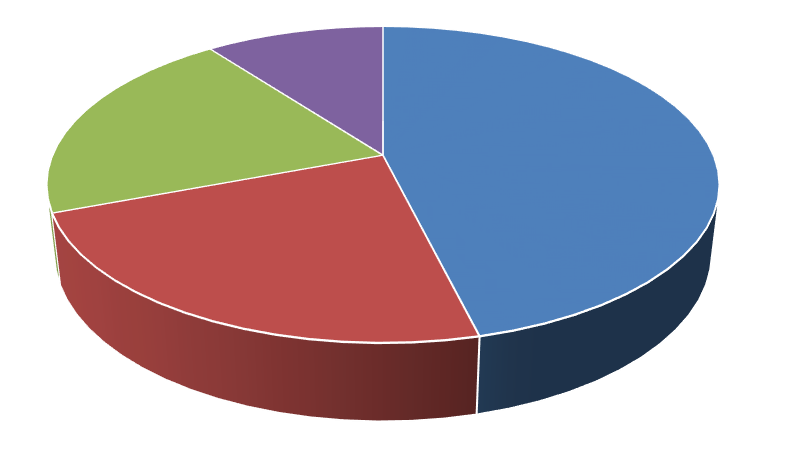
The business relevance of the category between 2026 and 2035 will be shaped by three channels. The first is premium grocery retail. The second is specialty coffee and foodservice. The third is ready-to-drink beverage development. Foodservice will be particularly important because one successful café trial can introduce the product to thousands of consumers without requiring them to purchase a full carton.
Example: a customer may first try pistachio milk in a matcha latte, then purchase an unsweetened carton for home use.
Global Market Forecast
Revenue component | 2026 estimate | 2035 forecast | Forecast CAGR |
Packaged retail pistachio milk | $126 million | $390 million | 13.4% |
Foodservice and wholesale supply | $38 million | $208 million | 20.8% |
Ready-to-drink and ingredient applications | $24 million | $116 million | 19.1% |
Total market | $188 million | $714 million | 16.0% |
These values represent estimated supplier and brand revenues. They exclude the full retail value of prepared café beverages. For example, the value of pistachio milk supplied to a café is included, while the final selling price of the latte is not.
The forecast is supported by the size of the wider plant-based milk ecosystem. Plant-based milk generated approximately $2.7 billion in United States retail sales in 2025 and held around 13% of total milk dollar sales. Foodservice demand moved more favourably, with plant-based milk dollar sales rising 16% during 2025. This shows that the broader category is mature in retail but still finding incremental growth in cafés, restaurants, education, and workplace dining.
Production and Raw-Material Economics
Pistachio availability is both an advantage and a constraint. Global pistachio production for the 2025/26 season was forecast at about 1.1 million metric tons. The United States represented approximately 65% of output, followed by Iran at 18% and Türkiye at 11%. This concentration creates procurement risk when weather, crop cycles, freight restrictions, or trade conditions affect one major producing country.
Pistachio trees also follow an alternate-bearing cycle. A strong harvest can be followed by a weaker season. This affects kernel prices and complicates long-term supply contracts. The United States has nevertheless remained the leading producer, supported by large-scale cultivation and processing infrastructure in California.
The beverage industry does not necessarily require the same visual grade of kernel demanded by premium snacking. Manufacturers can use sound kernels that are broken, irregularly shaped, or unsuitable for in-shell retail presentation. This may improve raw-material utilisation. That said, beverage-grade kernels still compete with bakery, confectionery, ice cream, spreads, and snack applications.
Technology and Product Economics
Processing technology is moving from simple nut extraction toward controlled food-emulsion systems. Commercial manufacturing generally involves soaking or hydration, wet grinding, separation, homogenisation, heat treatment, fortification, and aseptic or refrigerated filling. Homogenisation is important because pistachio fat and suspended solids can separate during storage. Heat treatment must also be controlled to maintain flavour and colour.
Research across plant-based beverages shows that high-pressure homogenisation, ultrasonication, enzymatic treatment, and carefully selected stabilisation systems can improve particle size, mouthfeel, dispersion, and shelf life. Nutrient fortification is also becoming more important because plant-based beverages differ widely in protein, calcium, vitamin D, and vitamin B12 content.
The cost structure is heavier than oat or soy milk. Pistachio kernels are expensive, and premium products generally use smaller production runs. Packaging, aseptic processing, retailer margins, promotional allowances, and cold-chain distribution can therefore represent a substantial part of the final price.
Scale will reduce conversion and logistics costs. It will not remove exposure to kernel prices. Brands with direct grower relationships, multi-year procurement agreements, or access to beverage-grade kernels should therefore hold a stronger margin position.
Regulation and Labelling
Regulation will influence product positioning. In the United States, the Food and Drug Administration’s draft guidance allows plant-based beverages to use names such as “pistachio milk,” provided the plant source is clearly identified. It also recommends voluntary nutrient statements where a plant-based alternative differs materially from dairy milk in nutrients such as protein, calcium, potassium, vitamin D, and vitamin B12.
Pistachio is a tree-nut allergen. So, allergen segregation, sanitation validation, supplier traceability, and prominent labelling are essential. European rules specifically include pistachios among allergens that must be declared and emphasised in the ingredient list.
Clean-label positioning will also face closer scrutiny. A short ingredient list can improve consumer acceptance, but manufacturers must still deliver microbiological safety, stable suspension, consistent colour, and acceptable shelf life.
Principal Growth Forces, 2026–2035
Premiumisation: Consumers increasingly use pistachio as an indulgent flavour in coffee, desserts, confectionery, and bakery products. Pistachio milk benefits from this association.
Café adoption: Barista products create repeat usage and visible product demonstration. Coffee shops also provide a lower-risk testing environment for new formulations.
Clean-label demand: Products without seed oils, artificial flavours, or long stabiliser systems are gaining shelf attention.
Retail expansion: National listings reduce the availability barrier that historically limited the category to direct-to-consumer orders and independent natural-food stores.
Flavour differentiation: Pistachio milk has a recognisable taste. This allows brands to compete on experience rather than behaving as a neutral dairy substitute.
Supply volatility: Kernel-price fluctuations will remain a restraint. They may also encourage blended products using pistachio with almond, oat, or other bases.
Nutrition expectations: Consumers increasingly compare plant-based beverages on protein, sugar, calcium, and ingredient simplicity. Pistachio milk cannot rely on sustainability or novelty alone.
Key Consumers and Commercial Clients
The primary consumer groups are:
- Vegan, vegetarian, and flexitarian households.
- Consumers avoiding dairy because of lactose intolerance or personal preference.
- Premium coffee, matcha, and tea drinkers.
- Shoppers seeking minimally processed or oil-free plant beverages.
- Consumers interested in Middle Eastern and Mediterranean flavours.
- Younger urban buyers purchasing through specialty retail and e-commerce.
The main commercial clients are:
- Specialty cafés, coffee chains, and independent roasters.
- Supermarkets, natural-food stores, and premium grocery retailers.
- Foodservice distributors and hospitality suppliers.
- Ready-to-drink coffee and matcha manufacturers.
- Smoothie, dessert, ice cream, bakery, and cereal producers.
- Private-label beverage companies and contract manufacturers.
Expert view: Pistachio milk will not replace almond or oat milk on volume. Its stronger opportunity is to become a premium flavour-led platform with higher revenue per litre and better foodservice economics.
Market Segmentation and Forecast Scope
The Pistachio Milk Market can be segmented by product type, composition, application, end user, distribution channel, packaging format, and region. Each dimension represents a different commercial decision. Product type explains how the beverage is formulated. Application explains how it is consumed. End-user segmentation identifies who purchases it. Distribution analysis shows how the product reaches the customer.
The forecast period covers 2026–2035. Revenue is measured in United States dollars at the brand or supplier sales level. Volume can be expressed in million litres. Both refrigerated and shelf-stable products are included.
Segmentation Framework
Dimension | Included sub-segments | 2026 position | Forecast interpretation |
By Product Type | Standard retail drinking milk; barista milk; flavoured and functional milk; ready-to-drink beverages | Standard retail drinking milk holds an estimated 52% share | Barista and ready-to-drink products will grow faster than standard household cartons |
By Composition | Pistachio-dominant formulations; blended pistachio formulations | Pistachio-dominant products lead premium positioning | Blended products will support lower prices and wider nutritional formulation |
By Application | Direct drinking and breakfast; coffee, matcha and tea; smoothies and desserts; cooking and baking; packaged-food ingredient | Direct household consumption remains the largest use | Coffee and matcha applications are the most strategic trial channel |
By End User | Households; cafés and foodservice operators; packaged-beverage manufacturers; hospitality and institutional users | Households account for most retail turnover | Foodservice is forecast to deliver the highest revenue growth |
By Distribution Channel | Supermarkets and hypermarkets; natural and specialty stores; e-commerce and direct-to-consumer; foodservice distributors | Grocery retail provides scale | Foodservice distribution and national retail listings will drive availability |
By Packaging Format | Aseptic cartons; refrigerated bottles; single-serve bottles and cans; bulk foodservice packs | Cartons dominate shelf-stable retail | Single-serve and bulk barista packs will gain strategic importance |
By Region | North America; Europe; Asia Pacific; Latin America, Middle East and Africa | North America represents an estimated 56% share | Asia Pacific is projected to record the fastest percentage growth |
Only the two leading 2026 segment shares are disclosed in this summary. Other percentage splits remain part of the detailed forecast model.
By Product Type
Standard Retail Drinking Milk
This segment includes original, unsweetened, and lightly sweetened products sold mainly in cartons or refrigerated bottles. It is used with cereal, in smoothies, for direct drinking, and as a general dairy alternative.
It currently generates the largest revenue because it contains the broadest number of household use cases. Growth will remain healthy but slower than foodservice-led products. The main challenge is repeat purchasing at a price above almond, soy, or oat milk.
Barista Pistachio Milk
Barista formulations are designed to foam, steam, and remain stable in hot or acidic drinks. They normally require careful control of fat dispersion, protein interaction, mineral balance, and viscosity.
This is the most strategic sub-segment. It allows brands to reach consumers through coffee shops and matcha bars. It also supports premium pricing because performance matters more than the lowest possible ingredient cost.
The nationwide café partnership between Táche and Peet’s Coffee in January 2026 demonstrates that pistachio milk is moving from independent cafés into organised coffee chains.
Flavoured and Functional Milk
This category includes vanilla, chocolate, cardamom, saffron, rose, date-sweetened, protein-fortified, and vitamin-fortified products. It gives manufacturers room to connect pistachio with familiar dessert and beverage flavours.
Functional positioning is likely to focus on calcium, vitamin D, vitamin B12, reduced sugar, and higher protein. However, added protein can alter taste, colour, sedimentation, and heat stability. Product development must therefore balance nutrition with sensory performance.
Ready-to-Drink Products
Ready-to-drink products include pistachio milk lattes, matcha beverages, breakfast drinks, and flavoured single-serve beverages. This segment starts from a smaller base but is projected to grow rapidly.
The commercial appeal is straightforward. Consumers do not need to understand how to use the product. They purchase a finished beverage with a clear occasion.
By Composition
Pistachio-Dominant Formulations
These products use pistachio as the only major plant base. They provide a stronger flavour and a clearer premium identity. They also have higher exposure to pistachio prices.
Blended Pistachio Formulations
Blended products combine pistachio with almond, oat, cashew, coconut, or another plant source. Three Trees, for example, markets a product made with pistachios and almonds. This approach can improve body, alter nutrition, control cost, or stabilise the beverage.
Blended products will become more important in mainstream retail. Clear front-of-pack communication will be necessary so that consumers understand how much of the product’s identity comes from pistachio rather than added flavour.
By Application
Direct Drinking and Breakfast
This includes use in cereal, oatmeal, smoothies, and direct consumption. It is the main household application. Unsweetened products are best positioned here because they can be used across sweet and savoury occasions.
Coffee, Matcha and Tea
This is the highest-value application. Pistachio pairs naturally with coffee, matcha, rose, vanilla, cardamom, and chocolate. It also offers a distinctive colour and flavour story for seasonal menus.
Example: a café can use one barista formulation across hot lattes, iced matcha, seasonal drinks, and non-alcoholic dessert beverages.
Cooking and Baking
Pistachio milk can be used in sauces, pancakes, French toast, custards, baked goods, and desserts. Adoption is still limited because of price. However, recipe-led marketing can increase household usage frequency.
Packaged-Food and Beverage Ingredient
This segment covers commercial use in ready-to-drink coffee, smoothies, frozen desserts, cereal products, protein beverages, and plant-based desserts. Manufacturers may use pistachio milk as both a functional liquid base and a flavour claim.
By End User
Households
Households remain the largest end-user group. Purchases are concentrated among higher-income urban consumers, flexitarians, specialty-coffee users, and shoppers already familiar with premium plant-based beverages.
Cafés and Foodservice Operators
Foodservice is the fastest-growing end-user segment. Operators gain a premium menu item, while brands gain trial and visibility. The strongest products will offer stable steaming performance, consistent supply, and bulk packaging.
Packaged-Beverage Manufacturers
Ready-to-drink coffee, matcha, nutrition, and dessert-beverage manufacturers represent an emerging business-to-business opportunity. These customers require standardised flavour, technical documentation, allergen controls, and dependable industrial supply.
Hospitality and Institutional Users
Hotels, premium restaurants, corporate dining facilities, and universities may add pistachio milk where demand supports a broader plant-based menu. Adoption will remain selective because institutions are sensitive to price, allergens, and inventory complexity.
By Distribution Channel
Supermarkets and Hypermarkets
This channel will deliver most future scale. National listings improve consumer trust and reduce shipping costs. However, brands must manage retailer margins, promotional spending, shelf velocity, and possible product discontinuation.
Natural and Specialty Retail
Specialty stores remain important for new product launches. Their customers are more willing to try premium alternatives and read ingredient labels.
E-Commerce and Direct-to-Consumer
Online sales allow brands to educate customers, sell multipacks, collect first-party data, and test flavours. The limitation is shipping cost. Shelf-stable cartons are therefore better suited to this channel than refrigerated bottles.
Foodservice Distribution
Foodservice distributors will become more important as the category expands beyond local café relationships. Brands will need larger pack sizes, dependable lead times, and training material for baristas.
By Region
North America
North America is the largest regional market in 2026. It benefits from established plant-based beverage consumption, specialty-coffee demand, developed natural-food retail, and the presence of brands such as Táche and Three Trees.
Expansion through Target, Amazon, Whole Foods Market, and café partnerships shows that distribution is becoming broader. Táche entered more than 500 Target stores in 2024 and subsequently expanded its national retail and foodservice presence.
Europe
Europe is the most immediate expansion opportunity outside North America. Demand will be concentrated in the United Kingdom, Germany, France, Italy, the Netherlands, and Nordic countries.
Barista products should perform better than general drinking milk because European plant-based beverage shelves are already crowded. Premium cafés and flavour-led products offer a more defensible route.
Asia Pacific
Asia Pacific is projected to record the fastest percentage growth from a small base. Australia, Japan, South Korea, Singapore, and selected Chinese cities offer the clearest early opportunities.
The region already has strong soy, coconut, and grain-beverage traditions. Pistachio milk must therefore enter as a premium flavour and café product rather than a basic plant beverage.
Latin America, Middle East and Africa
The Middle East has high cultural familiarity with pistachio, saffron, rose, cardamom, and nut-based desserts. This creates strong flavour acceptance. However, commercial plant-based milk penetration, premium pricing, and modern retail access vary widely.
The Gulf states are likely to develop faster than the rest of the region. Latin American adoption will initially concentrate in premium urban retail and specialty coffee.
Expert view: Barista milk is the commercial gateway. Standard household cartons will create scale later, once café exposure has established the taste and justified the premium.
Market Trends and Business Innovations
Innovation in the Pistachio Milk Market is moving in two directions. One group of companies is simplifying formulations. The other is improving functionality through food science. The most successful products will combine both: short ingredient lists for consumers and technically stable performance for retailers and cafés.
R&D Evolution
Clean-Label Formulation
Consumers are paying closer attention to gums, oils, sweeteners, flavour systems, and ingredient counts. This has pushed manufacturers to reconsider the amount of formulation support used to keep plant-based beverages stable.
In April 2026, Táche introduced a three-ingredient product made with pistachios, filtered water, and salt. The product received nationwide distribution through Whole Foods Market. This launch is important because it tests whether industrial-scale pistachio milk can maintain acceptable texture and stability without a longer stabiliser system.
Expert view: Clean-label products will raise the technical barrier. Removing stabilisers is easy on the ingredient panel but difficult in the factory, warehouse, and consumer refrigerator.
Higher Pistachio Content
Some premium brands are using higher nut content to create stronger flavour and body. This can reduce dependence on flavour additives. It also raises raw-material cost and may increase sedimentation.
The future split will be between high-pistachio premium products and lower-cost blended products. Both can succeed, but they will serve different customers.
Nutritional Fortification
Fortification with calcium, vitamin D, vitamin B12, and other micronutrients can make pistachio milk more comparable with dairy and fortified soy milk. Protein remains more difficult. Raising protein through pea, soy, or other plant isolates may change taste and weaken the product’s pure-pistachio positioning.
Scientific work on plant-based beverages shows that nutritional quality varies widely by raw material and formulation. Fortification therefore needs to address both declared nutrient levels and actual stability or bioavailability.
Sugar Reduction
Unsweetened products will remain central to household use. Flavoured products will need more careful sugar management, especially as consumers compare beverages using front-of-pack labels and nutrition panels.
Natural sweetness from dates, vanilla, or flavour pairing may reduce the need for high added-sugar levels. However, “natural” positioning does not remove the need to disclose total and added sugars correctly.
Processing Technology Evolution
Fine Wet Milling and Colloid Milling
Smaller particle size improves smoothness and reduces visible sediment. Colloid milling can create a more uniform suspension and help release pistachio fat and flavour.
Research on fermented pistachio beverages has used colloidal milling to improve homogeneity and reduce sedimentation. Fermentation with lactic acid bacteria has also been studied as a method for developing flavour and improving refrigerated microbiological stability.
High-Pressure Homogenisation
Homogenisation breaks larger oil droplets and particles into smaller units. This improves mouthfeel and delays separation. Processing pressure must be matched with the product’s fat content, solids level, heat treatment, and stabilisation system.
Heat Treatment and Aseptic Filling
Shelf-stable products require controlled thermal processing and hygienic filling. This gives brands access to e-commerce, ambient warehouses, international shipping, and broader retail distribution.
The technical challenge is flavour protection. Excessive heat can flatten delicate nut flavours or produce cooked notes. So, manufacturers must optimise time-temperature combinations rather than simply applying more heat.
Barista Performance Engineering
Barista products need more than creaminess. They must foam consistently, remain stable in coffee, tolerate heat, and avoid rapid separation. Mineral balance, acidity, fat dispersion, and total solids all influence performance.
In November 2025, Pacific Foods expanded its Barista Series with a pistachio product designed for cafés. The entry of an established plant-based beverage supplier indicates that pistachio is becoming a formal foodservice platform rather than only a start-up-led niche.
Product and Business Model Innovations
Innovation area | Commercial purpose | Expected impact through 2035 |
Three-ingredient formulations | Address concern around oils, gums, and processing | Stronger premium positioning and higher clean-label competition |
Barista-specific products | Improve steaming, foaming, and beverage stability | Faster foodservice adoption and higher repeat usage |
Pistachio blends | Reduce cost and improve texture or nutrition | Wider mainstream price points |
Fortified formulations | Improve calcium, vitamin, and protein positioning | Better household acceptance and clearer nutrition claims |
Single-serve ready-to-drink products | Create defined consumption occasions | Expansion beyond the milk aisle |
Shelf-stable packaging | Reduce cold-chain dependence | Greater e-commerce and international distribution |
Bulk foodservice packs | Improve café economics and reduce packaging cost | Better penetration of regional and national coffee chains |
Partnerships and Commercial Announcements
Target and Amazon Expansion — 2024
Táche expanded into more than 500 Target stores in August 2024 and prepared its Amazon launch shortly afterwards. This marked a shift from direct-to-consumer and independent café distribution toward national omnichannel availability.
Pacific Foods Barista Launch — November 2025
Pacific Foods introduced a pistachio option within its Barista Series for café customers. This increased competition in foodservice and validated pistachio as a commercially relevant café flavour.
Peet’s Coffee and Táche Partnership — January 2026
Peet’s Coffee partnered with Táche to launch a Pistachio Rose Latte and Pistachio Matcha across its United States cafés. It represented Táche’s first collaboration with a major coffee chain and provided a large-scale test of customer acceptance.
Whole Foods Market National Launch — April 2026
Táche’s three-ingredient formulation entered Whole Foods Market stores nationwide. The launch combined clean-label reformulation with national retail access.
Partnerships Rather Than Mergers
No category-defining acquisition has yet shaped the competitive structure. The visible commercial pattern is distribution agreements, café menu partnerships, retailer listings, and formulation launches rather than mergers between pistachio milk companies.
This is reasonable for an early-stage category. Brands first need to prove repeat purchase, shelf velocity, foodservice performance, and dependable raw-material sourcing. Acquisition interest may increase once one or two brands establish durable national revenues.
Potential acquirers could eventually include:
- Established plant-based beverage manufacturers.
- Premium coffee and creamer companies.
- Dairy groups building non-dairy portfolios.
- Food and beverage companies seeking pistachio platforms.
- Pistachio growers or processors pursuing downstream integration.
Future Innovation Direction
By 2030, product differentiation will be less dependent on novelty. Consumers will compare pistachio milk with oat, almond, soy, macadamia, and lactose-free dairy on taste, protein, sugar, price, ingredients, and café performance.
By 2035, leading suppliers are likely to operate broader pistachio beverage platforms. These may include household cartons, barista products, ready-to-drink lattes, creamers, frozen desserts, protein drinks, and foodservice concentrates.
Expert view: The winning company will not merely produce a pistachio-flavoured dairy substitute. It will control a complete platform covering raw-material sourcing, emulsion technology, café functionality, clean-label formulation, and multiple consumption occasions.
Expert view: The Pistachio Milk Market can sustain a premium price, but only while the consumer can taste the difference. Weak pistachio flavour or excessive blending will reduce the product to another expensive plant-based carton.
Competitive Intelligence and Benchmarking
The Pistachio Milk Market remains fragmented. No company has established the global scale seen in oat, almond, or soy milk. Competition is instead developing across three groups:
- Dedicated pistachio milk specialists.
- Established plant-based beverage companies entering the category.
- Regional premium brands using pistachio as part of a blended nut formulation.
Public revenue data for individual pistachio milk brands is limited. So, the following benchmark assesses product depth, channel presence, formulation strategy, geographic reach, and likely competitive position rather than assigning unsupported company market shares.
Competitive Benchmark
Company | Portfolio and positioning | Primary channel strength | Competitive position |
Táche | Pistachio-focused beverages covering original, unsweetened, barista, and simplified clean-label formulations | United States grocery, e-commerce, cafés, and coffee-chain partnerships | Category specialist with the strongest visible United States commercial momentum |
Three Trees | Premium refrigerated plant milks, including a pistachio-and-almond formulation with a short ingredient list | Natural food retail and premium grocery | Clean-label challenger positioned around ingredient density and whole-nut quality |
Pacific Foods | Broad plant-based beverage portfolio with a pistachio formulation developed for professional café use | Foodservice distributors and cafés | Large-channel entrant with an established barista beverage platform |
Rude Health | European plant-based drinks, cereals, and café-oriented formulations, including an oat-and-pistachio barista blend | United Kingdom and European retail and foodservice | Regional premium brand with stronger European distribution than most specialists |
137 Degrees | Shelf-stable nut beverages, including standard and chocolate-flavoured pistachio formats | Asian retail, convenience, and export channels | Early Asian participant with strength in portable and shelf-stable formats |
Inside Out Nutritious Goods | Premium nut beverages using pistachio with almonds and selected sweetening or fortification ingredients | Australian grocery and health-oriented retail | Regional challenger suited to premium and health-positioned consumption |
Borna Foods | Pistachio-based drinks offered in lightly sweetened and unsweetened formats | United Kingdom specialty retail and direct sales | Niche specialist with strong ingredient authenticity but more limited scale |
Company Profiles
Táche
Táche is the most focused pure-play participant in the category. Its business is built around pistachio rather than a broad range of plant-based milks. The portfolio covers household consumption and professional coffee preparation, supported by sweetened, unsweetened, and reduced-ingredient formulations.
Its position improved through national retail expansion and café partnerships. The brand entered a nationwide collaboration with Peet’s Coffee in January 2026, placing pistachio-based lattes and matcha drinks in a large organised coffee network. It later introduced a three-ingredient formulation through Whole Foods Market in April 2026. These moves provide trial, retail credibility, and repeat-purchase opportunities across different consumer occasions.
The main advantage is category ownership. Consumers associate the company directly with pistachio milk. The risk is concentration. Raw-material inflation or declining interest in pistachio would affect a focused company more than a diversified beverage group.
Three Trees
Three Trees competes through ingredient quality rather than large-scale foodservice distribution. Its pistachio beverage combines organic pistachios and almonds with a short ingredient list. The wider portfolio includes almond, oat, soy, black sesame, and Asian-inspired beverages.
The blended formulation has two commercial benefits. It controls the amount of high-cost pistachio required per bottle and uses almond to support body and texture. However, the company must maintain enough pistachio character to justify its premium positioning.
Its strongest opportunity is premium grocery. Shoppers already familiar with clean-label almond or soy milk can be moved into pistachio without changing brands.
Pacific Foods
Pacific Foods represents a different competitive threat. It does not depend on pistachio milk as its core business. It can use its established foodservice relationships, manufacturing infrastructure, and plant-based beverage knowledge to enter the category selectively.
The company introduced a café-oriented pistachio beverage within its professional barista range in 2025. The formulation is designed for steaming, foaming, and integration with espresso drinks.
Its competitive strength is channel access. Independent brands may have a more authentic pistachio identity, but Pacific Foods can reach café operators through existing distribution arrangements. This may reduce customer-acquisition costs and shorten the path from product launch to commercial volume.
Rude Health
Rude Health is positioned to benefit from European café demand. Its pistachio barista formulation combines roasted pistachio with oat ingredients, creating a product that is more economical than a pistachio-dominant beverage.
The company already operates across several plant-based beverage types. So, it can offer cafés a portfolio rather than a single product. This matters because distributors and coffee chains generally prefer fewer suppliers covering more beverage requirements.
The blended structure may support mainstream pricing, but it creates a positioning challenge. Consumers may question whether they are purchasing pistachio milk or an oat beverage with pistachio differentiation.
137 Degrees
137 Degrees has an established presence in Asian nut beverages. Its pistachio range includes original and chocolate variants in single-serve and family-sized formats. This gives the company access to immediate-consumption occasions as well as household use.
Shelf-stable packaging is an important advantage in Asia. It reduces refrigerated distribution requirements and improves suitability for convenience stores, e-commerce, export shipments, and smaller urban households.
The company is strategically relevant because Asian demand may develop differently from Western demand. Smaller pack sizes and flavoured ready-to-drink products could gain acceptance faster than large breakfast-milk cartons.
Inside Out Nutritious Goods
Inside Out Nutritious Goods serves the Australian premium beverage market. Its pistachio offering uses a blended nut base and includes ingredients intended to support sweetness, texture, or nutrition.
Australia has a developed specialty-coffee culture, making the market suitable for barista-led product testing. However, the brand remains more regional than Táche, Pacific Foods, or Rude Health.
Expansion into cafés or Asian export markets may provide a more practical growth route than competing directly for mass-market supermarket volume.
Borna Foods
Borna Foods has developed lightly sweetened and unsweetened pistachio drinks for the United Kingdom market. Its proposition emphasises whole-nut usage and straightforward formulations.
The company benefits from pistachio sourcing knowledge and a clear product identity. Its principal constraint is scale. Building national retail distribution, foodservice relationships, and consumer awareness requires capital well beyond product development.
Strategic Benchmarking
Competitive factor | Best-positioned companies | Reason |
Category ownership | Táche | Entire brand identity is centred on pistachio milk |
Clean-label formulation | Táche, Three Trees | Short ingredient lists and limited reliance on oils or gums |
Foodservice access | Pacific Foods, Táche, Rude Health | Barista products and established café relationships |
European positioning | Rude Health, Borna Foods | Local market familiarity and regional distribution potential |
Asian format strategy | 137 Degrees | Shelf-stable and single-serve product formats |
Portfolio diversification | Pacific Foods, Rude Health, Three Trees | Ability to cross-sell several plant-based beverage categories |
Premium regional positioning | Inside Out Nutritious Goods | Alignment with Australian health and specialty-coffee channels |
The competitive structure may change once large almond, oat, dairy, or coffee companies treat pistachio as a permanent platform rather than a seasonal flavour. An established supplier could enter through internal formulation, licensing, investment, or acquisition.
Expert view: The Pistachio Milk Market is still open enough for a specialist to define the category. That advantage will narrow once large beverage suppliers secure barista accounts and national retail shelf space.
Regional Landscape and Adoption Outlook
Regional demand will not develop uniformly. The United States has the largest current revenue base. Europe provides the most immediate international expansion route. China, India, South Korea, and the Middle East start from smaller bases but offer higher percentage growth.
The following estimates form part of the original market model. They represent supplier and brand revenue rather than the final selling value of prepared café drinks.
Regional Revenue Forecast
Region or country | 2026 market revenue | 2026 share | 2035 forecast | 2026–2035 CAGR | Adoption outlook |
United States | $97.8 million | 52% | $278.5 million | 12.3% | Largest established market |
Europe | $33.8 million | 18% | $157.1 million | 18.6% | Strong café and premium retail opportunity |
China | $11.3 million | 6% | $78.5 million | 24.1% | High-growth nut beverage market |
India | $3.8 million | 2% | $35.7 million | 28.4% | Fastest growth from a small base |
Japan | $5.6 million | 3% | $28.6 million | 19.7% | Premium, convenience-led market |
South Korea | $3.8 million | 2% | $28.6 million | 25.3% | Trend-sensitive café and retail market |
Middle East | $9.4 million | 5% | $57.1 million | 22.2% | Strong pistachio familiarity |
Rest of World | $22.6 million | 12% | $50.0 million | 9.2% | Selective urban adoption |
Global Pistachio Milk Market | $188.0 million | 100% | $714.0 million | 16.0% | Premium niche moving into organised retail |
United States
The United States is the category’s primary commercial centre. It combines established plant-based milk consumption, large specialty-coffee networks, strong natural-food retail, and domestic pistachio production.
Plant-based milk generated approximately $2.7 billion in United States retail sales during 2025 and represented around 13% of total milk dollar sales. Foodservice performed better than retail, with plant-based milk dollar sales rising by approximately 16% during the year.
California provides a strategic raw-material advantage. The United States represented roughly 65% of projected global pistachio output during the 2025/26 season. Domestic sourcing does not eliminate price volatility, but it reduces some international procurement and logistics risks for American beverage manufacturers.
Early adoption will remain concentrated in California, New York, Texas, Florida, Illinois, and other states with developed premium grocery and café networks. The next stage will be broader penetration into conventional supermarkets and regional coffee chains.
Funding is mainly private. Venture capital, founder financing, retailer listings, contract manufacturing, and strategic foodservice partnerships are more important than direct government support.
Europe
Europe offers a large plant-based consumer base, but competition is intense. Oat, soy, and almond products already occupy extensive retail shelf space. Pistachio milk must therefore compete through flavour, premiumisation, and café performance rather than basic dairy substitution.
Germany’s plant-based milk market was worth approximately €632 million in 2025, with plant-based products representing about 9.2% of milk volume. Private-label products held a substantial role, placing pressure on premium brand pricing.
The United Kingdom is the most natural entry point for specialist brands because of its café culture, developed alternative-milk market, and existing participants such as Rude Health and Borna Foods. Germany, France, the Netherlands, Italy, Spain, and the Nordic countries form the next commercial layer.
Regulation is more restrictive than in the United States. Under European Union rules, plant-based products generally cannot be marketed using protected dairy terms such as “milk,” except for limited traditional exemptions. Products will therefore commonly use terms such as pistachio “drink” or “beverage.”
Europe has strong public food-technology research infrastructure, but commercial brand building remains privately funded. Regional distributors and retailer private labels may play a larger role than venture-backed direct-to-consumer models.
China
China has a long-established market for soy, walnut, peanut, coconut, and grain-based beverages. This creates consumer familiarity with plant-derived drinks, although it also means pistachio faces many local alternatives.
Plant-based beverages account for more than 10% of China’s soft-drink market. Soy remains the leading plant base, while low-sugar and higher-protein nut beverages are gaining consumer attention. Offline retail still accounts for more than 90% of beverage sales, although digital platforms strongly influence product discovery.
Pistachio milk is likely to develop first in Shanghai, Beijing, Shenzhen, Guangzhou, Hangzhou, and Chengdu. The best initial formats are expected to be:
- Small shelf-stable cartons.
- Ready-to-drink pistachio coffee or tea.
- Low-sugar nut beverages.
- Premium imported products.
- Localised pistachio blends.
China has world-class beverage manufacturing and packaging infrastructure. The greater challenge is local distribution, import registration, pricing, and adaptation to domestic taste preferences.
Funding conditions favour local beverage companies with existing manufacturing and distributor relationships. International specialists may need licensing, co-manufacturing, or local joint ventures to reach meaningful scale.
India
India is projected to record the highest CAGR, but the starting base is very small. Pistachio is already familiar in sweets, ice cream, flavoured milk, bakery products, and premium gifting. The challenge is converting this flavour familiarity into regular plant-based milk consumption.
Demand will initially be concentrated in Mumbai, Delhi NCR, Bengaluru, Hyderabad, Pune, Chennai, and affluent tier-one retail clusters. Premium cafés, luxury hotels, modern grocery platforms, and e-commerce are likely to lead adoption.
Raw-material economics remain difficult. India depends heavily on imported pistachios, while price-sensitive consumers can access lower-cost soy, almond, coconut, and oat alternatives.
The Food Safety and Standards Authority of India has established specific rules for vegan products covering formulation integrity, traceability, cross-contamination controls, imports, and use of the approved vegan logo. A 2026 amendment revised the logo specification and is scheduled to take effect on July 1, 2027.
Government food-processing programmes may support manufacturing infrastructure, but category development will mainly depend on private brands, café chains, modern retailers, and contract manufacturers.
Japan
Japan has a sophisticated beverage manufacturing sector and strong demand for compact, shelf-stable, and convenience-oriented products. Soy milk is well established, while almond and oat beverages have expanded the consumer base for alternative milks.
Japan’s domestic plant-based food market was projected to reach approximately $730 million in fiscal 2025. Almond milk sales reached around $142 million in 2024, while oat milk was estimated at approximately $51 million. These categories provide an existing shelf and consumer framework for pistachio milk.
Pistachio milk should perform best in:
- Single-serve cartons.
- Matcha and coffee applications.
- Premium convenience retail.
- Dessert beverages.
- Limited-edition seasonal products.
In 2026, Japan progressed work on a proposed Japanese Agricultural Standard for almond milk. Although this does not directly regulate pistachio milk, it signals greater standardisation of adjacent nut-beverage categories. Public food-technology programmes and corporate R&D may also support local formulation and manufacturing.
South Korea
South Korea offers a smaller but trend-responsive consumer base. Café culture, premium convenience retail, beauty-and-wellness positioning, and rapid social-media adoption can accelerate product trial.
The country had an estimated 2.5 million vegan or vegetarian consumers in 2025, equal to roughly 5% of the population. Large Korean food companies are investing in plant-based products, although limited domestic agricultural capacity creates dependence on imported ingredients.
Seoul and other major urban centres will account for most early sales. Matcha, coffee, protein drinks, and dessert beverages are more likely to succeed than a plain household milk proposition.
Regulatory localisation is important. Ingredient naming, nutrition declarations, allergen communication, and Korean-language labelling must be reviewed separately rather than copied from United States or European packaging.
Corporate R&D and investment by established food groups are likely to be more influential than stand-alone pistachio milk start-ups.
Middle East
The Middle East is commercially relevant because pistachio already has strong cultural and culinary recognition. It is widely used with rose, cardamom, saffron, chocolate, dates, bakery products, ice cream, and traditional desserts.
The United Arab Emirates and Saudi Arabia will lead regional adoption. Qatar, Kuwait, and Bahrain provide smaller premium markets. Türkiye and Iran are important to the wider supply ecosystem because of their pistachio production, although beverage-category development may occur at a different pace.
The UAE imports close to 90% of its food requirements and operates as a major trade and re-export hub. Its food-processing sector was valued at approximately $39.8 billion in 2025. Government food-security programmes and agricultural-technology investment support local processing, logistics, and alternative-food development.
The region has strong modern retail, hospitality, aviation catering, and café infrastructure. However, imported premium products face freight costs, distributor margins, heat-sensitive logistics, and market-specific labelling requirements.
Local co-packing in the UAE or Saudi Arabia could improve unit economics. Products combining pistachio with dates, cardamom, saffron, or coffee may also generate stronger repeat demand than plain variants.
Infrastructure, Regulation and Funding Comparison
Market | Manufacturing and distribution infrastructure | Regulatory complexity | Dominant funding model |
United States | Very strong; domestic pistachio supply, aseptic filling, natural retail, and foodservice networks | Moderate; clear plant source and allergen disclosure are critical | Venture capital, founder capital, retailers, strategic partnerships |
Europe | Strong but fragmented across countries and distributors | High; protected dairy terminology and multilingual labels | Corporate investment, public food-tech R&D, retailer private label |
China | Very strong large-scale beverage and packaging infrastructure | High for imported products and local registration | Domestic corporate capital, distributors, co-manufacturing |
India | Improving; strong urban retail but limited category-specific manufacturing | Moderate to high under vegan approval and logo requirements | Founder capital, food groups, contract manufacturers |
Japan | Advanced shelf-stable beverage and convenience infrastructure | High quality and localisation requirements | Corporate R&D, strategic food-tech programmes |
South Korea | Advanced retail, café, and food-manufacturing infrastructure | Moderate to high localisation requirements | Large food-company investment and corporate R&D |
Middle East | Strong logistics and premium retail, but import dependent | Varies by country | Government food-security initiatives, family groups, distributors |
Expert view: Geographic success will depend less on global brand recognition and more on local format selection. A one-litre household carton may work in the United States, while a flavoured single-serve pack may be more suitable for Japan, China, or the Gulf states.
Recent Developments, Opportunities and Restraints
Recent Developments
Year and month | Event | Strategic relevance |
November 2025 | Pacific Foods introduced a pistachio formulation within its professional barista beverage range | Brought an established foodservice supplier into the category and increased competition for café accounts. |
January 2026 | Peet’s Coffee partnered with Táche for pistachio-based latte and matcha drinks across its United States café network | Created national consumer trial and validated pistachio milk as more than an independent-café product. |
April 2026 | Táche introduced a three-ingredient formulation through Whole Foods Market nationwide | Combined clean-label reformulation with broader premium grocery distribution. |
May 2026 | India notified an amendment to its vegan food regulations, including revised logo specifications effective from July 1, 2027 | Increased the need for packaging and regulatory planning among domestic and imported plant-based beverage brands. |
May 2026 | Japan opened consultation on a new standard for almond milk and related food-standard revisions | Signals formalisation of the adjacent nut-milk ecosystem and may support clearer future standards for emerging nut beverages. |
Opportunities and Business Insights
- Foodservice and Barista Expansion
Foodservice offers the strongest near-term route to consumer trial. A café can turn one wholesale carton into several premium drinks. This improves revenue per litre and introduces the flavour without requiring the consumer to purchase a full retail pack.
The opportunity includes specialty cafés, matcha chains, hotels, corporate dining, universities, and premium quick-service restaurants.
- Regional Ready-to-Drink Products
China, Japan, South Korea, India, and the Middle East provide room for localised formats. High-potential concepts include pistachio matcha, cardamom coffee, date-sweetened drinks, chocolate beverages, breakfast products, and single-serve protein drinks.
Example: a 200-millilitre pistachio-cardamom drink may generate better trial in the Gulf than a premium one-litre unsweetened carton.
- Cost and Supply Optimisation
Manufacturers can improve margins through:
- Multi-origin pistachio sourcing.
- Use of sound broken kernels unsuitable for premium snack presentation.
- Pistachio-and-oat or pistachio-and-almond blends.
- Shared aseptic manufacturing.
- Larger foodservice packs.
- Improved kernel extraction and solids recovery.
These steps can reduce cost without removing pistachio from the product identity. However, aggressive dilution may damage flavour credibility.
Principal Restraints
High raw-material cost: Pistachios cost more than oats, soybeans, and many almonds used in beverage production.
Supply volatility: Alternate-bearing crop cycles and geographic concentration create annual price fluctuations.
Premium retail pricing: Consumers may try the product once but return to less expensive oat or almond milk.
Nutritional comparison: Some formulations provide less protein, calcium, or vitamin fortification than dairy or soy milk.
Allergen exposure: Pistachio is a tree nut, requiring strict segregation, sanitation, traceability, and communication.
Clean-label stability: Removing gums and emulsifiers can increase separation, sedimentation, and shelf-life challenges.
Limited category awareness: Many consumers still understand pistachio as a flavour rather than an everyday milk base.
Expert view: The Pistachio Milk Market has enough differentiation to support premium pricing, but repeat purchase will depend on taste intensity, café performance, and a price gap that consumers can justify.


