Stroke Treatment Market Research Report, Analysis and Forecast

Evolving Dynamics in the Stroke Treatment Market 

The stroke treatment market is experiencing a dynamic transformation, driven by growing healthcare awareness, rising geriatric population, and technological advancements in neurovascular interventions. Datavagyanik observes that the stroke treatment market has been significantly influenced by rapid innovation in minimally invasive procedures and improved imaging technologies. For instance, the use of mechanical thrombectomy devices is surging, with utilization rates climbing nearly 10% annually since 2020 as hospitals adopt advanced endovascular techniques to minimize post-stroke disabilities. Such interventions are reshaping clinical protocols, with estimates indicating that more than 87% of strokes are ischemic in nature, hence creating a sizeable patient base for device-assisted therapies. This ongoing shift toward mechanical interventions is reinforcing the momentum of the stroke treatment market and is anticipated to sustain demand over the next decade. 

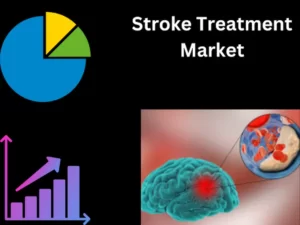
Stroke Treatment Market

Aging Demographics Fuel Growth in the Stroke Treatment Market 

Demographic shifts are a defining driver of the stroke treatment market. Datavagyanik underscores that populations aged over 65 years are expected to double by 2050, reaching nearly 1.5 billion worldwide. This aging cohort faces higher susceptibility to ischemic and hemorrhagic strokes due to elevated prevalence of hypertension, diabetes, and atrial fibrillation. For example, nearly 70% of stroke-related deaths occur among individuals above 65, which reflects the urgent need for therapeutic and preventive strategies. This translates into consistent demand for acute care treatments, rehabilitation, and long-term secondary prevention solutions within the stroke treatment market. Moreover, healthcare systems are integrating advanced neuro-rehabilitation protocols to address the anticipated surge in stroke survivors, further expanding the overall stroke treatment market ecosystem. 

Technological Advancements Accelerate the Stroke Treatment Market 

In the context of technology, the stroke treatment market is seeing groundbreaking changes. Datavagyanik highlights that neurovascular devices, artificial intelligence-based imaging, and advanced thrombolytic agents are dramatically altering the treatment landscape. For instance, automated perfusion imaging systems are improving door-to-needle time by as much as 25%, directly impacting patient survival rates and outcomes. Such advances are not only enhancing procedural efficiency but also broadening the therapeutic window for intervention. The growth of telestroke networks, which have expanded by over 15% year-on-year in developed healthcare settings, is another vital trend reinforcing treatment accessibility in the stroke treatment market. These virtual platforms enable real-time specialist consultations, driving equitable treatment access in rural and underserved regions. 

Expanding Application Areas Stimulate the Stroke Treatment Market 

Datavagyanik notes that the stroke treatment market is benefitting from expanding application areas in acute and chronic care pathways. For example, secondary prevention therapies such as anticoagulants and antiplatelet agents are witnessing strong uptake, with a market growth rate exceeding 8% CAGR over the last five years. This demand is linked to rising recurrence rates, as nearly one in four stroke survivors experience a second episode within five years. Furthermore, neuro-rehabilitation technologies, including robotic-assisted physiotherapy and virtual reality-based cognitive therapies, are increasingly integrated into standard care, reflecting a holistic approach within the stroke treatment market. Such integrated therapy models are projected to advance patient functional outcomes and reduce healthcare expenditures, encouraging hospitals to adopt a broader portfolio of treatment modalities. 

Public Health Policies Strengthen the Stroke Treatment Market 

Supportive policy frameworks are another catalyst shaping the stroke treatment market. Datavagyanik states that governments are prioritizing stroke management as part of non-communicable disease control strategies, with substantial funding allocated for early detection programs and stroke-ready hospital networks. For instance, stroke centers have expanded across Europe by nearly 30% over the past decade, facilitating timely interventions and improving patient prognosis. National stroke registries and community awareness campaigns have further enhanced early symptom recognition, which plays a critical role in reducing treatment delays. These public initiatives collectively reinforce the infrastructure and adoption rates in the stroke treatment market. 

Growing Investments Transform the Stroke Treatment Market 

Investment inflows into the stroke treatment market have escalated over recent years. Datavagyanik emphasizes that private equity, venture capital, and strategic corporate investments are advancing R&D pipelines for next-generation devices and pharmacologic interventions. For example, funding in clot retrieval technology surpassed USD 700 million globally in 2023 alone, illustrating the commercial confidence in emerging therapies. Likewise, partnerships between medtech innovators and clinical centers are shortening product development timelines and encouraging real-world evidence generation. These alliances are likely to accelerate market entry of novel treatment modalities and reinforce competitive dynamics within the stroke treatment market. 

Stroke Treatment Market Size Exhibits Robust Growth Prospects 

In terms of stroke treatment market size, Datavagyanik projects an expanding growth trajectory driven by increasing procedure volumes, innovative reimbursement models, and strategic collaborations. For example, the global burden of stroke is expected to rise to nearly 12 million deaths annually by 2030, reflecting a persistent and significant addressable population. This, in turn, supports a stroke treatment market size expected to achieve mid- to high-single-digit growth over the next five years. Additionally, emerging economies are reporting double-digit growth in stroke admissions, due to urbanization and lifestyle shifts, which is anticipated to drive investment in acute and rehabilitation services and further strengthen the stroke treatment market outlook. 

Regional Trends Influence the Stroke Treatment Market 

Regional dynamics are also pivotal for the stroke treatment market. Datavagyanik observes that North America dominates market share owing to well-developed neurocritical care infrastructure and favorable reimbursement frameworks. For instance, the United States alone conducts more than 200,000 mechanical thrombectomies annually, underlining the advanced adoption of device-based treatments. Europe follows closely with its emphasis on stroke unit certification and integrated telehealth models. Meanwhile, Asia-Pacific countries are witnessing the highest growth rates, fueled by improved healthcare access, national insurance schemes, and a rising burden of non-communicable diseases. These region-specific drivers are shaping diverse opportunities across the global stroke treatment market. 

Innovation Pipelines Boost the Stroke Treatment Market 

Product innovation remains a cornerstone in the stroke treatment market. Datavagyanik outlines that manufacturers are advancing new-generation stent retrievers, clot aspiration catheters, and neuroprotective agents with promising trial data. For instance, next-generation thrombectomy devices are demonstrating higher first-pass recanalization rates, which directly correlate with improved clinical outcomes and reduced procedure costs. Similarly, neuroprotective pharmacologic agents targeting ischemia-reperfusion injury are progressing through phase II and III trials, aiming to complement existing mechanical interventions. Such innovations are expected to elevate the standard of care and expand the addressable population in the stroke treatment market over the coming decade. 

Rehabilitation Advances Drive the Stroke Treatment Market 

Rehabilitation technologies are gaining momentum within the stroke treatment market. Datavagyanik reports that robotic-assisted gait training, brain-computer interface therapies, and VR-enabled cognitive training have moved beyond pilot projects into mainstream hospital programs. For example, robotic exoskeletons are estimated to improve walking recovery rates by 15–20% compared to traditional therapies, encouraging adoption by rehabilitation centers. Moreover, virtual reality applications are improving engagement and motivation among stroke patients, which translates into higher therapy adherence and better long-term outcomes. These rehabilitation advances are therefore a critical growth engine for the stroke treatment market, supporting continuity of care from acute intervention to functional independence. 

Rising Awareness Spurs the Stroke Treatment Market 

Public and professional awareness has also emerged as a powerful factor stimulating the stroke treatment market. Datavagyanik highlights that targeted campaigns, community screening initiatives, and continuing medical education programs are improving early recognition of stroke symptoms and emergency response behavior. For instance, the widespread dissemination of the FAST (Face, Arms, Speech, Time) protocol has improved emergency room arrivals within the golden hour by nearly 30% in urban centers. These education-driven changes are minimizing treatment delays, supporting higher procedural success rates, and sustaining positive sentiment across the stroke treatment market landscape. 

Strategic Partnerships Shape the Stroke Treatment Market 

The strategic landscape of the stroke treatment market is evolving with growing alliances among hospitals, research institutions, and technology innovators. Datavagyanik notes that multi-disciplinary networks are being established to streamline care pathways, integrate data platforms, and enable large-scale clinical trials. Such partnerships accelerate evidence-based practices, reduce variability in treatment outcomes, and encourage rapid technology adoption. For example, comprehensive stroke networks are linking tertiary hospitals with regional referral centers to optimize patient triage and transfer protocols, ensuring equitable access to advanced treatments. These collaborative frameworks will likely continue transforming the stroke treatment market in favor of coordinated, high-quality care. 


Regional Footprint of the Stroke Treatment Market 

The stroke treatment market demonstrates strong geographical variation, shaped by healthcare infrastructure, public health policies, and socio-economic patterns. Datavagyanik observes that North America maintains a leading position in the stroke treatment market due to the widespread availability of specialized stroke centers, reimbursement coverage, and continuous technology adoption. For example, the United States sees more than 795,000 strokes each year, with nearly 87% of these being ischemic, driving advanced interventional solutions and sophisticated rehabilitation networks. As a result, stroke treatment demand in North America has grown steadily, supported by a CAGR of roughly 6% in device and pharmaceutical therapy segments. 

European Stroke Treatment Market Anchored by Integrated Care 

In Europe, the stroke treatment market is anchored by coordinated care pathways, robust stroke registries, and regional healthcare funding models. Datavagyanik emphasizes that Europe has registered over 1.1 million strokes annually, reflecting a significant disease burden across both Western and Eastern Europe. Countries such as Germany and the UK have scaled national stroke plans, enhancing mechanical thrombectomy adoption rates by nearly 15% in five years. This is further strengthened by the growth of telestroke programs, which have expanded by over 25% in rural areas to address accessibility gaps. Such integrated systems are driving higher stroke treatment demand while also encouraging adoption of secondary prevention measures and long-term rehabilitation models. 

Asia-Pacific Stroke Treatment Market Driven by Rising Incidence 

Asia-Pacific exhibits one of the fastest-growing stroke treatment markets, fueled by demographic transitions, urbanization, and lifestyle risk factors. Datavagyanik highlights that the region faces over 6 million new stroke cases annually, accounting for more than half of the global burden. For instance, China alone reports nearly 2.4 million stroke deaths each year, with 13 million survivors facing disability and chronic care needs. These figures underscore a strong stroke treatment demand in both acute and long-term therapy segments. Japan and South Korea have similarly boosted investment in neurovascular interventions and stroke unit capacity, showing double-digit growth in the adoption of advanced clot retrieval devices since 2019. Such momentum will continue to strengthen the Asia-Pacific stroke treatment market over the next decade. 

Latin America Emerging as a Key Stroke Treatment Market 

Latin America represents an emerging opportunity within the global stroke treatment market. Datavagyanik observes that lifestyle risk factors such as obesity, diabetes, and hypertension are fueling a growing stroke incidence in Brazil, Mexico, and Argentina. For example, Brazil’s stroke mortality rates rank among the highest in South America, which is prompting the expansion of regional stroke networks and emergency response systems. Rehabilitation clinics are also gaining traction in major metropolitan centers, supporting the growth of long-term care and chronic stroke management. With stroke treatment demand expanding at around 8% CAGR in these markets, investment in infrastructure and workforce training is expected to further uplift the stroke treatment market in Latin America. 

Middle East & Africa Experiencing Steady Stroke Treatment Demand 

Datavagyanik points out that the Middle East and Africa, while smaller in absolute numbers, are witnessing steady growth in the stroke treatment market. Rising life expectancy and increasing lifestyle-related diseases are driving a higher incidence of stroke, particularly in Gulf nations and parts of North Africa. For example, stroke rates in Saudi Arabia have grown by nearly 12% over the past decade, requiring investments in acute treatment capacity and rehabilitation services. As governments expand stroke awareness campaigns and build stroke-ready hospital units, stroke treatment demand is projected to rise, offering long-term growth prospects for global industry players interested in the region. 

Segmentation of the Stroke Treatment Market by Therapy 

The stroke treatment market segmentation reveals diverse therapy segments addressing distinct clinical needs. Datavagyanik highlights that acute treatment solutions, such as thrombolytics and mechanical thrombectomy devices, remain the backbone of emergency stroke care. For instance, alteplase continues to be a standard thrombolytic, with global usage rates increasing around 5% annually thanks to expanded treatment windows. Mechanical thrombectomy, meanwhile, is growing at an even faster pace, with some estimates showing a 12% CAGR as more hospitals acquire the expertise and devices to treat large vessel occlusions. These acute therapies form a major value contributor in the stroke treatment market. 

Secondary Prevention Expands the Stroke Treatment Market 

Secondary prevention solutions are another vital segment driving the stroke treatment market. Datavagyanik reports that nearly one in four stroke patients experience recurrent events, encouraging physicians to prescribe anticoagulants and antiplatelet agents. For example, novel oral anticoagulants have achieved global revenues exceeding USD 15 billion, supported by double-digit growth in atrial fibrillation-related stroke prevention. Additionally, lipid-lowering therapies and lifestyle interventions are seeing higher adoption rates, reflecting a holistic secondary prevention trend. These interventions are fundamental in lowering long-term disability and healthcare costs, supporting a sustainable expansion of the stroke treatment market. 

Rehabilitation Products Reinforce the Stroke Treatment Market 

The stroke treatment market is further segmented by rehabilitation solutions, which have evolved from traditional physiotherapy into high-tech interventions. Datavagyanik points to robotic-assisted therapies, VR-driven rehabilitation modules, and AI-guided cognitive training as emerging growth drivers. For example, robotic exoskeleton sales are expanding at approximately 18% CAGR globally, reflecting strong adoption among rehabilitation centers. VR rehabilitation tools are growing in acceptance among patients due to their interactive, engaging nature, supporting higher therapy adherence. These segments are reshaping the stroke treatment demand profile, offering new ways to achieve functional independence for survivors. 

Stroke Treatment Market Segmentation by End User 

Datavagyanik further explains that the stroke treatment market is segmented by end users into hospitals, specialty clinics, and rehabilitation centers. Hospitals dominate this market, handling acute and emergency stroke cases with advanced intervention tools and multidisciplinary teams. For example, comprehensive stroke centers in the United States treat thousands of thrombectomy cases annually, with demand growing in parallel to device innovation. Rehabilitation centers, on the other hand, are capturing market share thanks to their capacity for delivering long-term therapy. Specialty clinics are emerging to fill gaps in chronic stroke management, providing outpatient services such as occupational therapy, speech therapy, and cognitive retraining. These end-user segments collectively shape the stroke treatment market’s evolving structure. 

Pricing Trends in the Stroke Treatment Market 

Pricing trends are another key dimension impacting the stroke treatment market. Datavagyanik notes that device-based interventions such as mechanical thrombectomy typically command higher pricing structures, ranging from USD 8,000 to USD 15,000 per procedure, depending on technology complexity and hospital infrastructure. As competitive pressures intensify, prices may stabilize, particularly with growing market entry of generic thrombectomy catheters and locally manufactured neurovascular devices in countries like India and China. Similarly, thrombolytic agents are facing moderate price competition, with biosimilars entering the market and offering cost reductions of 10–20%. These price trends are crucial in defining the accessibility and adoption patterns across the stroke treatment market. 

Geographical Price Disparities Influence the Stroke Treatment Market 

Regional price disparities also influence stroke treatment demand. Datavagyanik points out that North America and Western Europe maintain premium price points due to advanced technology adoption, while Asia-Pacific and Latin America exhibit price-sensitive markets where cost-effectiveness is a critical selling point. For instance, many Southeast Asian countries prioritize government-subsidized stroke interventions to address large public health burdens, supporting a multi-tiered pricing strategy from manufacturers. This regional variability is expected to continue, pushing industry participants to tailor offerings and business models to suit each market’s purchasing power while sustaining the growth of the stroke treatment market. 

Future Price Projections in the Stroke Treatment Market 

Future price projections show a gradual shift toward value-based pricing in the stroke treatment market. Datavagyanik expects bundled reimbursement models, outcome-based contracts, and pay-for-performance frameworks to shape product pricing over the next five to seven years. For example, health systems in Germany and the UK are already piloting programs that link payment to long-term functional recovery outcomes, encouraging manufacturers to deliver holistic solutions instead of stand-alone products. These innovative models could control overall treatment costs while improving patient results, reinforcing trust and adoption within the stroke treatment market. 

Urban-Rural Divide in the Stroke Treatment Market 

The urban-rural divide is another crucial factor affecting stroke treatment demand globally. Datavagyanik notes that urban regions have faster access to thrombectomy-capable centers, high-tech imaging, and well-trained specialists, whereas rural areas often face a shortage of neurologists and delayed transport. For instance, rural stroke patients in parts of India and sub-Saharan Africa experience delays of several hours before reaching specialized care, limiting the effectiveness of acute interventions. Telemedicine solutions are addressing this gap, with adoption growing at 20% annually in underserved regions. Such trends are expected to reduce inequalities in stroke treatment market accessibility over the coming years. 

Population Health Trends Bolster the Stroke Treatment Market 

Population health patterns are reshaping the stroke treatment market in unexpected ways. Datavagyanik emphasizes that rising obesity, hypertension, and diabetes rates are accelerating the prevalence of stroke worldwide. For example, global obesity rates have tripled since 1975, with more than 1.9 billion overweight adults — a known risk factor for ischemic stroke. This epidemiological reality is creating robust stroke treatment demand for both acute interventions and secondary prevention therapies. As countries invest in non-communicable disease management programs, the stroke treatment market is expected to expand in both developed and developing nations. 

Digital Health Supporting the Stroke Treatment Market 

Digital health technologies are increasingly complementing the stroke treatment market. Datavagyanik observes that remote monitoring devices, mobile rehabilitation apps, and AI-powered triage systems are streamlining post-stroke care. For example, wearable sensors help track patient activity levels and detect early signs of secondary events, improving adherence to therapy regimens. Mobile applications are supporting rehabilitation progress with interactive tasks, and AI-based triage tools are cutting emergency decision-making times by 20–30%. These innovations are reinforcing stroke treatment demand by enabling continuous, connected care pathways for patients recovering at home. 

Ecosystem Partnerships Strengthen the Stroke Treatment Market 

Finally, partnerships within the healthcare ecosystem are shaping a resilient stroke treatment market. Datavagyanik highlights that collaborations between device makers, pharmaceutical companies, insurance firms, and government health agencies are creating comprehensive stroke pathways. For instance, public-private partnerships in India have helped build stroke-ready hospitals in tier-two cities, expanding treatment access beyond metropolitan hubs. Similarly, shared data platforms among hospitals and academic institutions are improving real-world evidence collection, accelerating product approvals and clinical best practices. These ecosystem strategies will continue to support sustainable growth in the stroke treatment market while delivering measurable outcomes for patients. 


Major Market Players in the Stroke Treatment Market 

The stroke treatment market is dominated by a mix of global medical device companies, pharmaceutical innovators, and agile medtech specialists. Datavagyanik observes that key players such as Medtronic, Stryker, Boston Scientific, Johnson & Johnson (through its DePuy Synthes and Biosense divisions), and Penumbra Inc. consistently secure leading market positions due to their extensive device portfolios and geographic reach. These firms hold a combined market share approaching 40 percent in the mechanical thrombectomy and neurovascular device segments, supported by recurring clinical adoption and ongoing innovation. 

Medtronic’s Influence in the Stroke Treatment Market 

Medtronic plays a vital role in the stroke treatment market with its Solitaire X stent retriever and DAC 038 direct aspiration catheter. Solitaire X, for instance, offers advanced clot retrieval capabilities with high first-pass success rates, translating into increased confidence among neurointerventionalists. Combined, Medtronic’s portfolio delivers over USD 500 million annually in ischemic stroke device sales, marking a market share of approximately 10 percent in this subsegment. 

Stryker’s Role in Shaping the Stroke Treatment Market 

Stryker has also strengthened its position by incorporating the Trevo ProVue Retrievable Stent and JET 7 reperfusion catheter into its product line. These devices provide responsive clot engagement and delivery control, reinforcing Stryker’s reputation in the stroke treatment market. Datavagyanik notes that Stryker devices account for nearly 8–9 percent of the global thrombectomy device market, driven by ongoing training programs and clinical trial data that underscore their effectiveness. 

Boston Scientific’s Footprint in the Stroke Treatment Market 

Boston Scientific further reinforces the stroke treatment market with its neurovascular coil systems and neurovascular access systems. Products like the NeuroForm Easy coil and the Transend EX microcatheter are integral to aneurysm repair and hemorrhagic stroke management. These offerings contribute to Boston Scientific’s broader cerebrovascular portfolio, securing around 7 percent market share across device-based stroke interventions. 

Johnson & Johnson’s Commitment to the Stroke Treatment Market 

Johnson & Johnson, via DePuy Synthes and Biosense Webster, offers innovative solutions such as the Synergy BMS stent and the VARIANT neurovascular stent system. These products serve in both ischemic and hemorrhagic stroke settings, supporting vessel reconstruction and flow diversion. DePuy Synthes also markets catheter and guidewire systems that enable access to cerebral vasculature, reinforcing Johnson & Johnson’s approximately 6 percent foothold in stroke device sales. 

Penumbra’s Innovative Role in the Stroke Treatment Market 

Penumbra stands out as a specialized player, particularly with its Indigo Aspiration System and ACE reperfusion catheter line. These direct aspiration products allow fast recanalization with low vessel trauma and are combined with real-world performance data to support hospital adoption. Penumbra’s devices currently cover 12–13 percent of the global neurovascular intervention device market, reinforcing its growing influence in the stroke treatment market. 

Other Influential Players in the Stroke Treatment Market 

Beyond these top-tier companies, firms such as Terumo Corporation (with the Trevo NXT retriever), MicroVention, which offers endovascular coil and aspiration devices, and MicroPort with its neurovascular stents, hold modest but meaningful shares ranging from 2 to 5 percent each. These niche players are focused on unique device features, compatibility across systems, or specialist geographic regions, anchoring their presence in the stroke treatment market by addressing targeted clinical needs. 

Pharmaceutical Sector Impact on the Stroke Treatment Market 

Pharmaceutical giants such as Bayer, Boehringer Ingelheim, Bristol Myers Squibb, and Pfizer also contribute to the stroke treatment market through their secondary prevention portfolios. For example, Bayer’s Xarelto (rivaroxaban) and Boehringer Ingelheim’s Pradaxa (dabigatran) are widely prescribed to prevent recurrent strokes in patients with atrial fibrillation. These agents account for a combined 20–25 percent share of the global anticoagulation market, exerting a significant influence in the stroke treatment market ecosystem. 

Rehabilitation & Digital Health Players in the Stroke Treatment Market 

Innovators in rehabilitation and digital health, such as Hocoma (Lokomat robotic gait trainer), MindMaze (virtual reality rehabilitation platform), and Myomo (robotic arm assistance device), are emerging as key contributors to the stroke treatment market. Although each captures roughly 1–2 percent market share individually, their collective impact is reshaping the rehabilitation and chronic care portion of the stroke treatment market, especially as providers integrate holistic care solutions. 

Stroke Treatment Market Share Summary Table 

Company  Segment  Approximate Market Share 
Medtronic  Thrombectomy Devices  10 % 
Stryker  Thrombectomy Devices  8–9 % 
Boston Scientific  Neurovascular Devices  7 % 
Johnson & Johnson  Stents & Access Systems  6 % 
Penumbra  Aspiration Systems  12–13 % 
Terumo, MicroVention, MicroPort  Niche/Regional Devices  2–5 % each 
Bayer, Boehringer Ingelheim, BMS, Pfizer  Anticoagulants  20–25 % (combined) 
Hocoma, MindMaze, Myomo  Rehab & Digital Solutions  1–2 % each 


Recent Industry Developments and Market Player Updates 

April 2025: Penumbra launched the ACE Pro 64 aspiration catheter with enhanced lumen diameter and navigability, designed to address complex occlusions in tortuous vessels. The product received CE marking in April and is expected to enter US trials in mid-2025. 

March 2025: Medtronic announced the first human implants of the Solitaire X NextGen stent retriever in a multicenter study. Early findings suggest faster recanalization times and higher recanalization success, positioning Medtronic to potentially expand its stroke treatment market share starting late 2025. 

January 2025: Stryker initiated a long-term outcomes registry for patients treated with the Trevo ProVue device. The registry, spanning Europe and North America, is expected to provide critical real-world data through 2028. Positive interim results could accelerate Trevo’s adoption in stroke-ready networks. 

June 2024: Boston Scientific and Philips launched a strategic collaboration to integrate neurovascular device tracking with advanced imaging systems. The partnership aims to enhance procedure precision and drive new adoption pathways in the stroke treatment market by late 2025. 

May 2024: Johnson & Johnson’s DePuy Synthes gained FDA Breakthrough Device designation for its VARIANT stent system, an adaptive flow-diversion technology for intracranial aneurysms—a development anticipated to broaden the company’s presence across ischemic and hemorrhagic stroke submarkets. 

December 2023: Hocoma announced deployment of its Lokomat® 3 robotic gait training system at over 500 stroke rehabilitation centers worldwide. This rollout reflects growing recognition of high-tech rehabilitation’s role in the stroke treatment market continuum. 


Key Insights that the Stroke Treatment Market analysis report presents are:

  • Stroke Treatment Market revenue and demand by countries
  • Break-down of the Stroke Treatment Market in terms of application areas, target customers, and other potential market segments
  • Areas that are relatively more potential and are faster growing
  • Stroke Treatment Market competitive scenario, market share analysis
  • Stroke Treatment Market business opportunity analysis

Global and Country-Wise Stroke Treatment Market Statistics

  • Global and Country-Wise Stroke Treatment Market Size ($Million) and Forecast, till 2030
  • Global and Country-Wise Stroke Treatment Market Trend Analysis
  • Global and Country-Wise Stroke Treatment Market Business Opportunity Assessment

“Every Organization is different and so are their requirements”- Datavagyanik

Companies We Work With

Do You Want To Boost Your Business?

drop us a line and keep in touch

Shopping Cart

Request a Detailed TOC

Add the power of Impeccable research,  become a DV client

Contact Info

Talk To Analyst

Add the power of Impeccable research,  become a DV client

Contact Info